Why a Professional Dog Walker Gives You Peace of Mind
What actually creates peace of mind when hiring a dog walker in Frisco, TX: real trust factors to verify, not just a marketing promise.
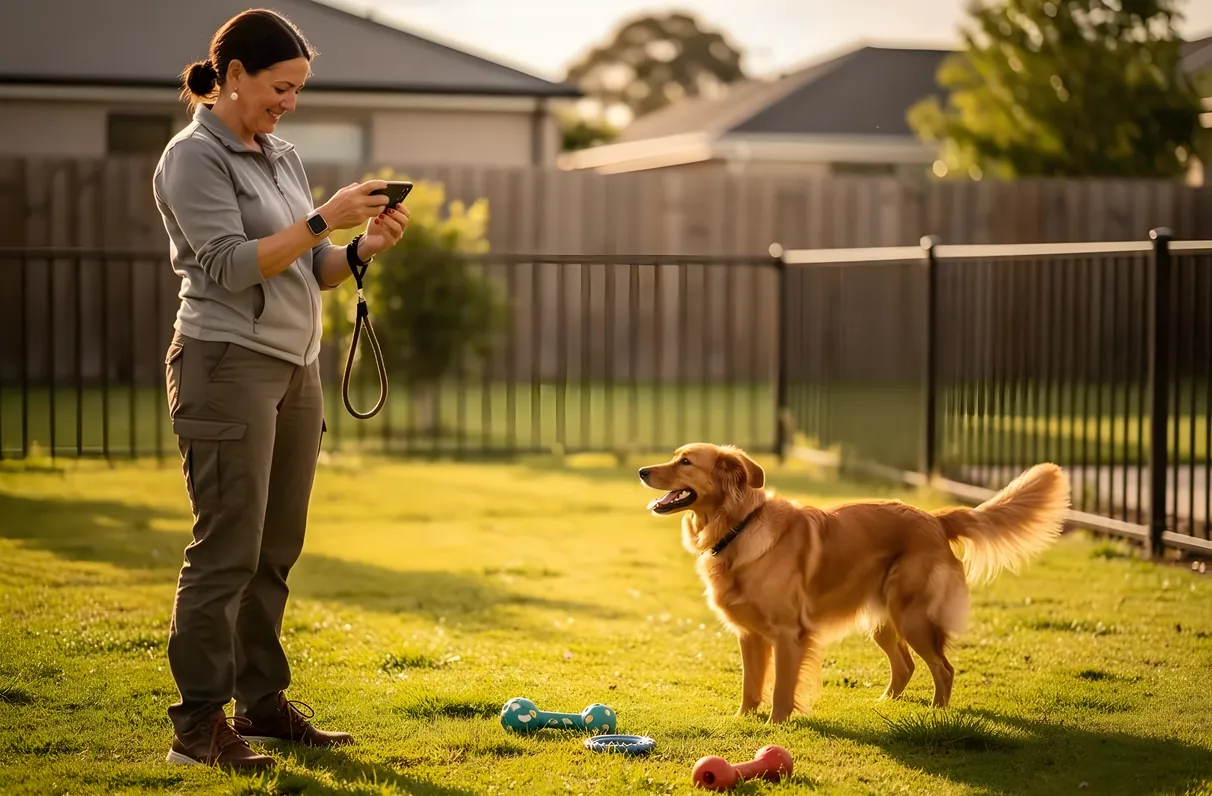
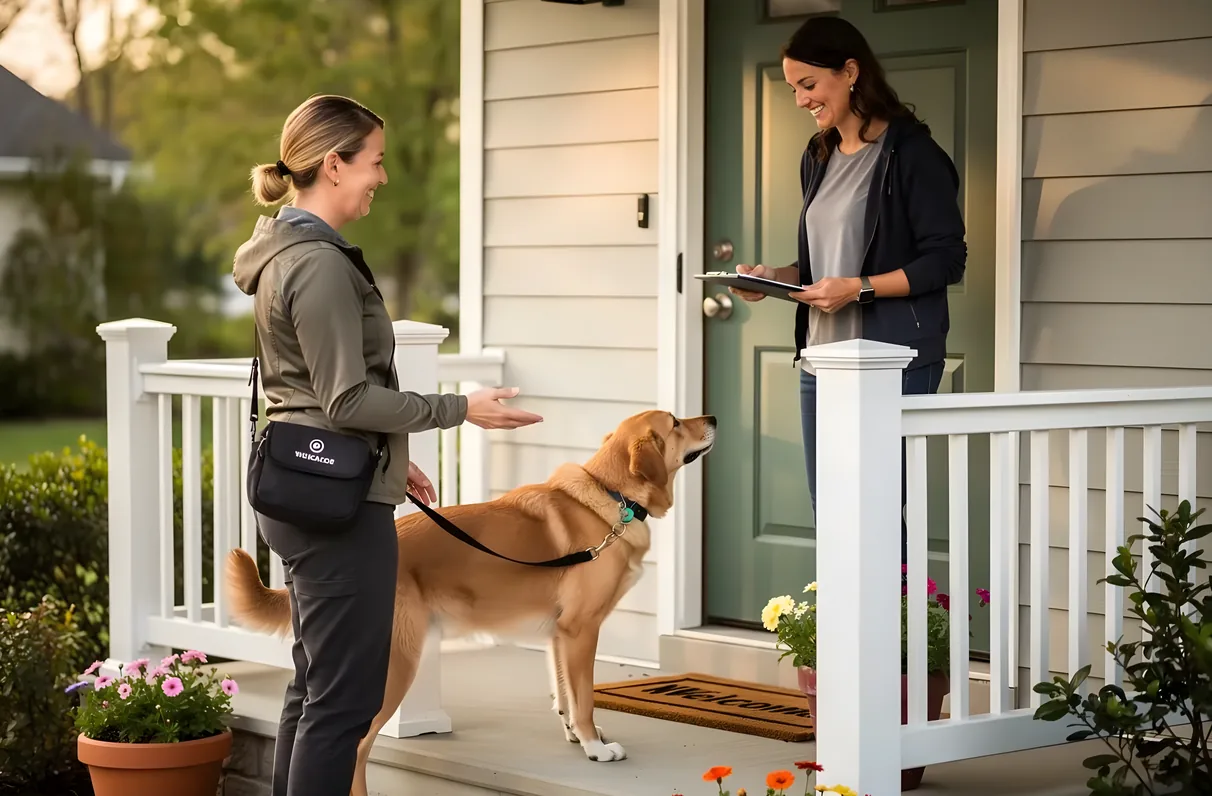
“Peace of mind” shows up on almost every dog walking website in Frisco, but it rarely means anything specific. A professional dog walker earns real peace of mind through verifiable proof and financial accountability, not friendly promises. That proof looks like a GPS-tracked walk showing exactly when a visit happened and how long it lasted, a photo or video update confirming a dog is fine, and documented bonding, insurance, and a completed background check behind whoever is holding a house key. Texas has no state license requirement for dog walkers, so these factors work as the closest thing to a licensing standard a Frisco pet owner actually gets. A trained professional also offers something a neighbor or a favor can’t: real accountability, since a walker’s livelihood depends on showing up and doing the job right. And if something does go wrong, a legitimate service should already have a plan ready, from vet information on file to a clear emergency contact order. The sections below break down each of those pieces, and how to choose a dog walker in Frisco covers the full list of questions worth asking before hiring anyone.
What Peace of Mind Actually Means When You Hire a Dog Walker
“Peace of mind” gets used so often in dog walking marketing that it stops meaning much. Nearly every local site promises to be trusted, reliable, or worry-free, and those words are functionally interchangeable: none of them say what actually happens during a visit. The real version is specific. It means knowing when a walk happened and how long it lasted, seeing proof a dog is fine instead of just being told, knowing who has access to a home while an owner is at work, and knowing what recourse exists if something goes wrong. That’s the standard the rest of this guide measures against: a set of facts a walker can show, not a feeling a website creates.
Peace of mind means knowing exactly when a walk happened, seeing proof a dog is fine, and knowing what recourse exists if something goes wrong.
The Trust Standard: GPS Tracking, Photo Updates, and Verified Screening
A handful of concrete factors turn a vague trust claim into something an owner can actually verify.
GPS tracking confirms a walk happened at all: the start time, route, and duration, instead of an owner assuming a scheduled visit went as planned. A photo or video update sent during or right after the walk adds a second layer of proof that a dog is safe.
Bonding and insurance get lumped together in marketing copy, but they cover different things. A fidelity bond protects against theft or dishonesty; general liability insurance covers accidental property damage or an injury during a walk. A walker can carry one without the other, so it’s worth asking about both by name rather than accepting “insured” as a catch-all.
A completed background check means screening finished before someone gets a house key or an alarm code, not after. Professional training, real instruction in leash handling and reading a dog’s body language, separates someone trained to recognize a stressed or reactive dog from someone who simply likes dogs.
Texas doesn’t license dog walkers at the state level, which is exactly why these five factors, GPS tracking, photo updates, bonding, insurance, and background checks, work as the substitute standard a Frisco owner should look for instead.
Why a Trained Professional Beats a Neighbor or a Favor
A well-meaning neighbor or a teenager down the street might genuinely like dogs, but liking dogs and being trained to handle one aren’t the same thing. Most informal arrangements come with no formal instruction in reading a stressed or reactive dog, no background screening, and no bond or insurance standing behind them if something happens. None of that makes the person untrustworthy exactly, it just means nothing structural backs up the arrangement beyond good intentions.
That gap shows up most clearly when plans change. An informal favor has no backup: if that one person gets sick, double-books a weekend, or simply forgets, there’s no coverage plan and often no warning. A professional operation is different because its whole business depends on showing up reliably, which creates a kind of accountability a one-off favor was never built to carry. The difference isn’t really about character. It’s structural: one arrangement has consequences built in if it fails, and the other doesn’t.
What Happens If Something Goes Wrong
A legitimate dog walking service should have an answer ready before anything actually happens, not scrambling to figure one out in the moment. That means a dog’s vet information kept on file, a clear order of who gets called first if there’s an emergency, and a visit log detailed enough to reconstruct exactly what happened and when.
Insurance is the part that actually matters if something does go wrong: coverage for accidental injury, property damage, or a dog getting loose through a gate that didn’t latch. Nobody can promise a walk will always go perfectly, but a bonded and insured walker turns a bad situation into something with an actual claims process behind it, rather than just a story.
Compare that to an informal arrangement. If something goes wrong there, the honest answer is usually an apology, since there’s no bond or insurance behind a favor, and no formal record of what happened to work from. That difference matters most on the day it’s actually needed.
Peace of Mind, Frisco Dog Walkers: Common Questions
What should I ask a dog walker to verify they’re actually trustworthy?
Ask directly to see proof of bonding, insurance, and a completed background check, not just hear the words, and ask whether a walker can show a GPS log or a photo update from a recent walk. For the complete list of questions worth asking, see how to choose a dog walker in Frisco.
What happens if my dog is hurt or gets loose during a walk?
Ask this before hiring, not after something happens. Find out how a claim gets filed, whether a vet bill would be covered directly, and how quickly a bonded and insured walker responds compared to an informal arrangement with no coverage at all.
Is a professional dog walker really safer than asking a neighbor to help?
Often, yes, mainly because of consistency rather than skill alone. A professional service typically has other staff who can cover a walk if the regular walker gets sick. An informal favor usually has no backup plan at all, which matters most on the day it’s needed.
Choosing a Dog Walker You Can Actually Trust
Knowing what peace of mind should look like is the first step. The real test is applying it: asking a walker to show proof instead of accepting a promise. See how to choose a dog walker in Frisco for the full list of questions to ask before hiring anyone.
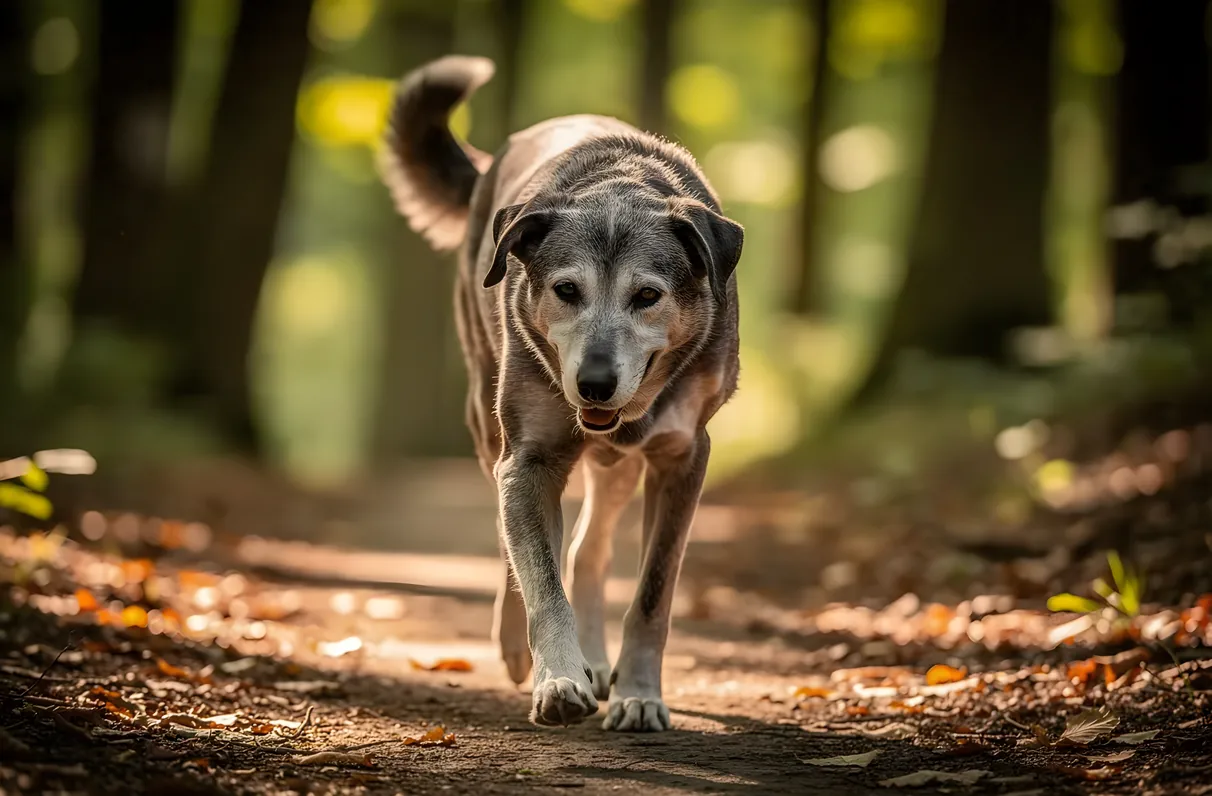
Credential verification matters even more for an older or medically vulnerable dog. Senior dog walks covers what changes when a dog needs a gentler, slower pace.
For the rest of what professional walking does for a Frisco dog, see the full benefits of professional dog walking in Frisco.