Types of Dog Walking Services in Frisco, TX
Compare solo, group, midday, puppy, and senior dog walking in Frisco, TX, and find the right type of walk for your dog's needs and schedule.
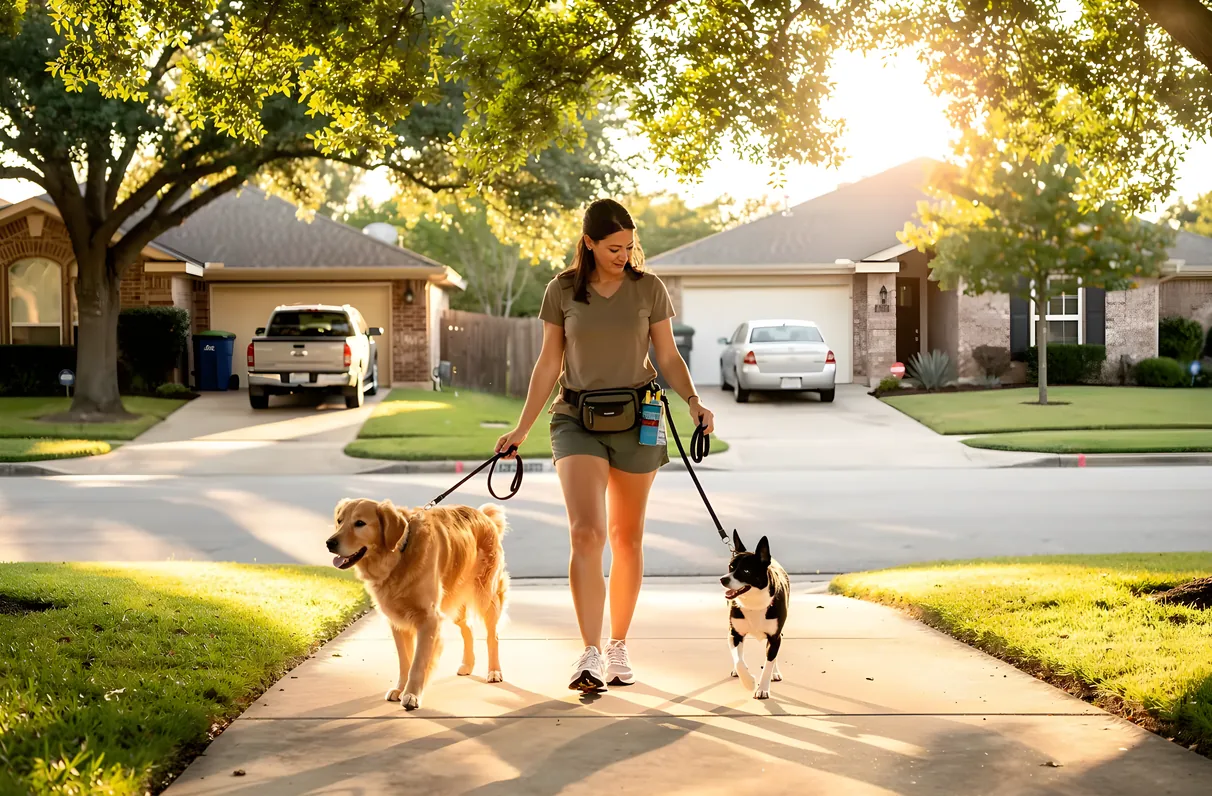
Dog walking in Frisco, TX isn’t one-size-fits-all. A solo walk, a group walk, a midday visit, a puppy walk, and a senior dog’s walk each call for a different pace and a different plan, and picking the right one starts with understanding what actually separates them.
A solo walk gives one dog a walker’s full attention for the entire route, no shared pace, just one-on-one time built around that dog’s needs. A group walk flips that setup, pairing a dog with a small number of compatible companions on the same route so social exercise comes built in. Midday walking solves a different problem: it fills the gap in an 8+ hour workday with a bathroom break and a chance to burn energy before evening. Puppy walks and senior dog walks both adjust for life stage, running short and gentle for a still-developing puppy and slower and shorter for an older dog protecting its joints.
None of these formats is objectively better than another. Choosing between them comes down to temperament, schedule, and life stage, three things any Frisco dog owner can sort through pretty quickly once they know what to look for. Each type gets its own closer look below.
Solo Dog Walks: One-on-One Attention for Focused Dogs
A solo dog walk means exactly what it sounds like: one dog, one walker, and the entire walk built around that dog alone. There’s no pace to compromise on and no other dog’s energy to manage, just full attention from start to finish.
This format tends to fit dogs that don’t do well sharing the spotlight: a dog that’s anxious or reactive around other dogs, one in active training that needs a walker’s undivided focus, or one recovering from an injury that needs a pace matched to its recovery. In a multi-dog household where the dogs don’t get along well enough to share a leash, walking them one at a time is often the only option.
The tradeoff is straightforward: a solo walk gives up the social exercise a group format offers in exchange for individualized pacing and attention. For plenty of dogs, that trade is exactly the point. Solo dog walks covers what a typical one-on-one walk looks like in practice.
Group Dog Walks: Social Walks with Other Dogs
A group dog walk pairs a dog with a small number of other compatible dogs, all moving along the same route together. It’s built for dogs that genuinely enjoy company on a leash.
Social, high-energy dogs tend to do best in this format, especially a dog that lights up around other dogs or could use more activity than a single walk a day provides. There’s a real socialization upside too: structured group exposure helps a dog build confidence around other dogs over time, though the fuller picture of how that works belongs to its own conversation.
Group walking isn’t the right fit for every dog, and that’s fine. It works best when a dog’s temperament actually calls for it. Group dog walks breaks down what a typical group format looks like and which dogs tend to do well in it.
Midday Dog Walking: A Break During Long Workdays
Midday dog walking fills a specific gap: the long stretch of an 8+ hour workday when a dog is home alone with nothing to do but wait. A visit scheduled around lunchtime breaks that stretch in half, giving a dog a bathroom break, a chance to stretch its legs, and a change of scenery before the afternoon drags on.
For a dog left alone all day, a midday visit does more than prevent an accident on the carpet. It burns energy earlier in the day instead of saving it all for one walk before or after work, making for a calmer dog come evening. Frisco families often reach for this format most during the school year, when kids are out of the house and a dog’s usual midday company disappears too.
Anyone searching for a dog walking service near me specifically to cover a workday gap is usually looking for exactly this. Midday dog walking covers how a typical lunchtime visit works and what to expect from the schedule.
Puppy Walking: Gentle Structure for Young Dogs
Puppy walking looks different from a standard adult walk because a puppy’s body and attention span are still developing. These walks run shorter and slower, matched to how far a young dog can comfortably go and how long it can actually focus before getting distracted or tired.
Puppy walks often double as an early training opportunity, with leash introduction and a puppy’s first taste of the world beyond the backyard usually happening here, once a vet has cleared it for public walks. Duration and frequency aren’t fixed either: a walk that fits a young puppy looks nothing like the walk that same dog is ready for months later, and a good walker adjusts as the puppy grows.
None of this needs to be complicated, it just needs to match where a specific puppy actually is developmentally. Puppy walking covers what that looks like in more detail.
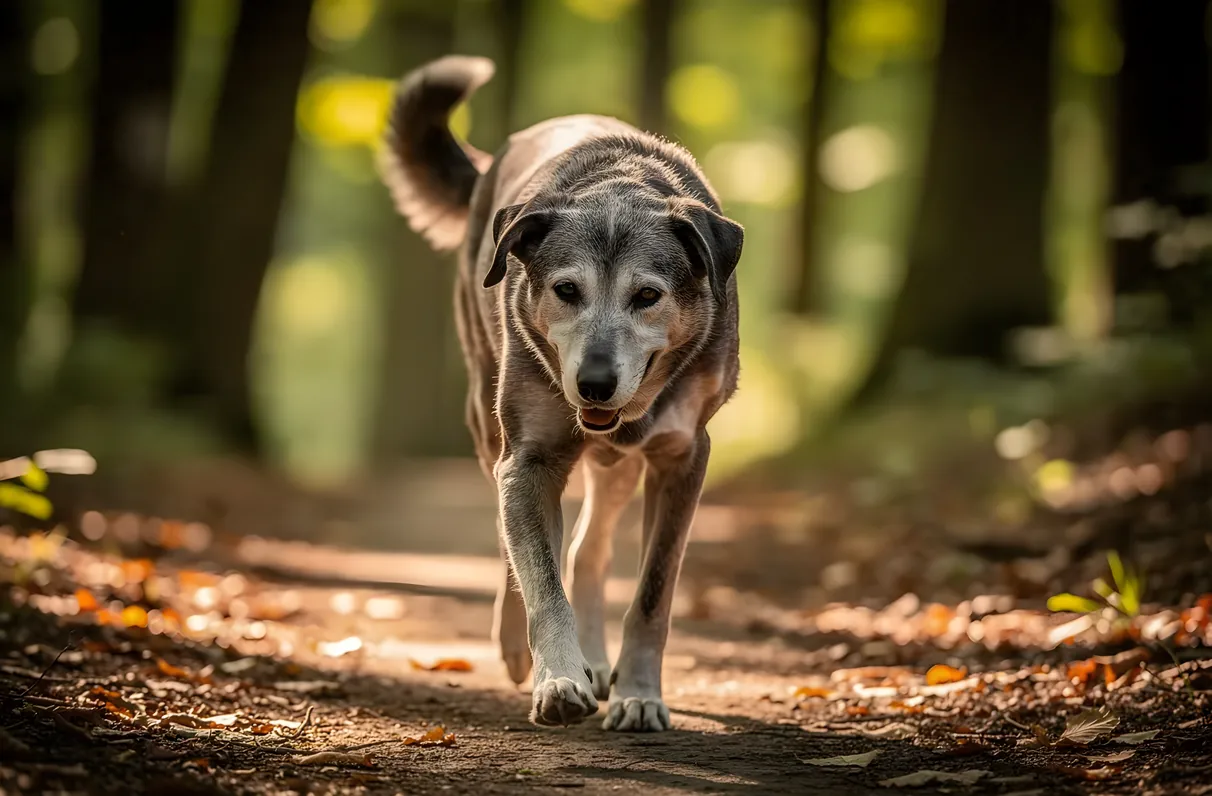
Senior Dog Walks: A Slower Pace for Older Dogs
A senior dog’s walk isn’t a shorter version of a younger dog’s walk. It’s a different walk built around a different set of needs. Pace slows down, distance shortens, and rest breaks happen more often, all matched to that particular dog’s joints, stamina, and mobility rather than a fixed schedule or a distance goal.
That doesn’t mean a senior walk is just a bathroom break. Older dogs still benefit from real exercise and mental engagement, the smells along a familiar route, the simple act of moving through the world at a comfortable pace. The goal shifts from covering ground to keeping a dog comfortable and engaged for as long as that walk reasonably lasts.
Getting the pace right takes attention to how a specific dog is doing that day, since mobility and stamina vary more in an older dog than a younger one. Senior dog walks goes deeper on what a slower-paced, age-appropriate walk actually looks like.
How to Choose the Right Walk Type for Your Dog
Five walk types is a lot to sort through, but the decision usually comes down to three things: how a dog behaves around other dogs, how long it’s alone during the day, and what stage of life it’s in.
Start with temperament: a dog that gets overstimulated or defensive around other dogs does better with a solo walk, while a dog that lights up at the sight of another leash is a strong candidate for group walking. Next, look at the workday: a dog alone for eight or more hours often benefits from a midday visit on top of a regular walk, not as a replacement for one. Life stage matters just as much, since a puppy building leash habits and a senior dog managing stiff joints both need a walk shaped around where they actually are.
Mobility, medical needs, or a behavior issue in progress can override all three factors above. A dog recovering from surgery or working through reactivity with a trainer usually does best with the one-on-one structure a solo walk provides, regardless of what temperament or schedule alone would suggest.
The right walk depends on the dog, not the calendar.
The right walk depends on the dog, not the calendar.
Frequently Asked Questions
What does a dog walker actually do?
A dog walker takes a dog out for exercise and a bathroom break on a set schedule, usually while the owner is at work or otherwise unavailable. Which format that walk takes, solo, group, midday, puppy, or senior-paced, depends on the dog.
What’s the difference between a solo walk and a group walk?
A solo walk means one dog and one walker for the whole route. A group walk means a dog is walked alongside a small number of compatible dogs on the same route. Which one fits depends on how that specific dog behaves around other dogs, not just owner preference.
Is a 20-minute walk enough for my dog?
It depends on the dog’s breed, age, and energy level. A senior or low-energy dog may be well served by a shorter, slower walk, while a young, high-energy dog may need more time or a more active format like a group walk.
When should a puppy start going on regular walks?
Once a veterinarian has cleared a puppy for walks in public areas, walks should stay short and slow, paired with basic leash introduction rather than jumping straight into an adult-length route.
How is a senior dog’s walk different from a regular walk?
A senior dog’s walk moves at a slower pace, covers less distance, and builds in more rest breaks, matched to that dog’s joints and stamina rather than a fixed schedule or distance goal.
Finding the Right Fit for Your Dog in Frisco
Five walk types, one goal: matching a dog with the walk that actually fits. A solo walk gives an anxious dog room to relax, a group walk turns exercise into a social outing, a midday visit breaks up a long workday, a puppy walk builds good habits from the start, and a senior walk keeps an older dog moving at a pace its joints can handle.
Figuring out which one fits is really just a matter of knowing the dog in front of you. For the fuller picture of what professional dog walking looks like in Frisco, TX, including benefits, local considerations, and how to choose a walker, dog walking in Frisco, TX covers the rest of the guide.
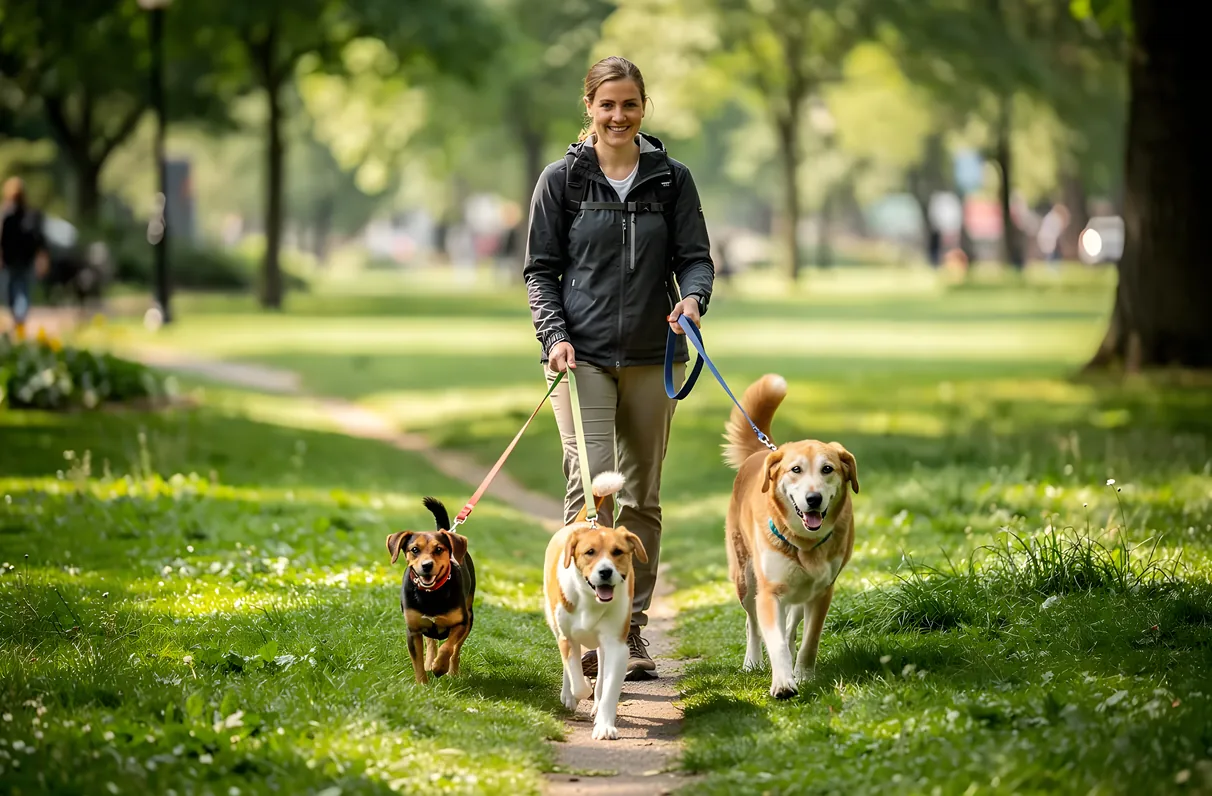
Group Dog Walks in Frisco, TX
See how group dog walks work in Frisco, TX: pack sizes, dog matching, benefits, and which dogs aren't a good fit for group walking.
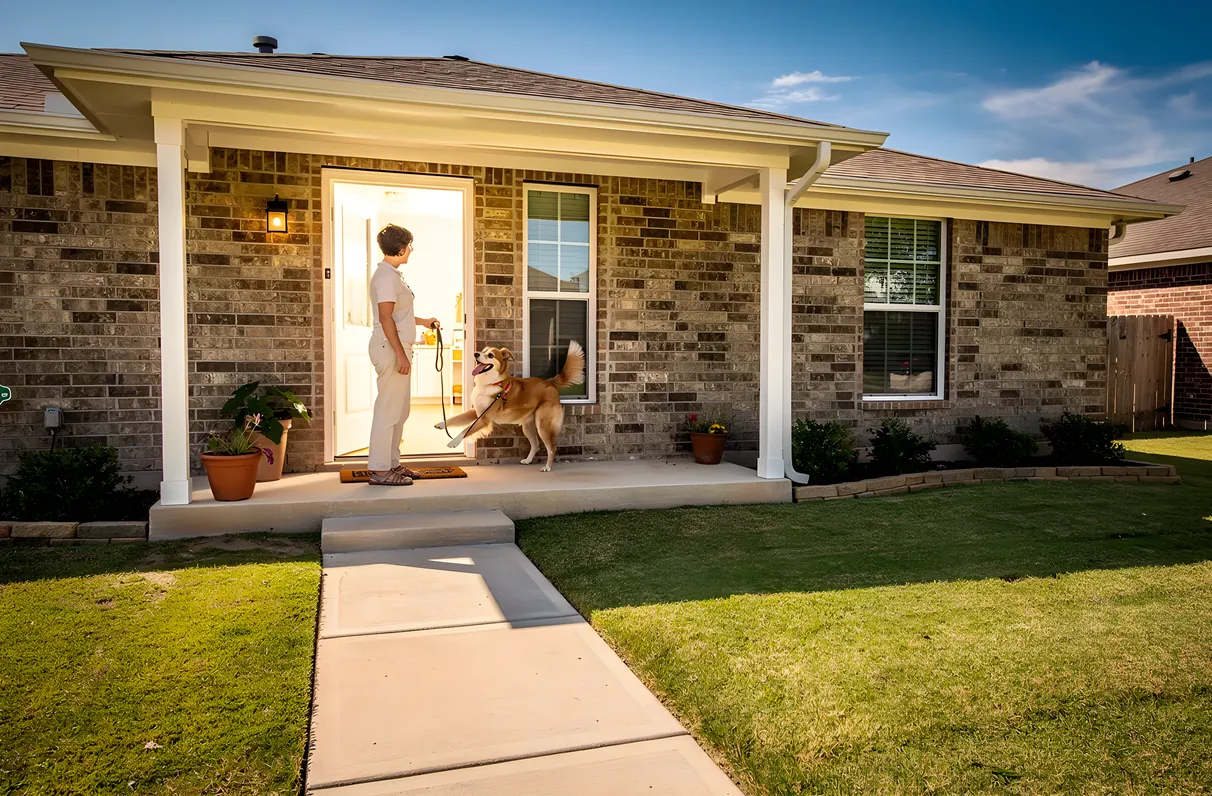
Midday Dog Walking in Frisco, TX
A midday dog walk breaks up a long work or school day with a bathroom break, exercise, and company. See what a Frisco lunchtime visit includes and who needs one.
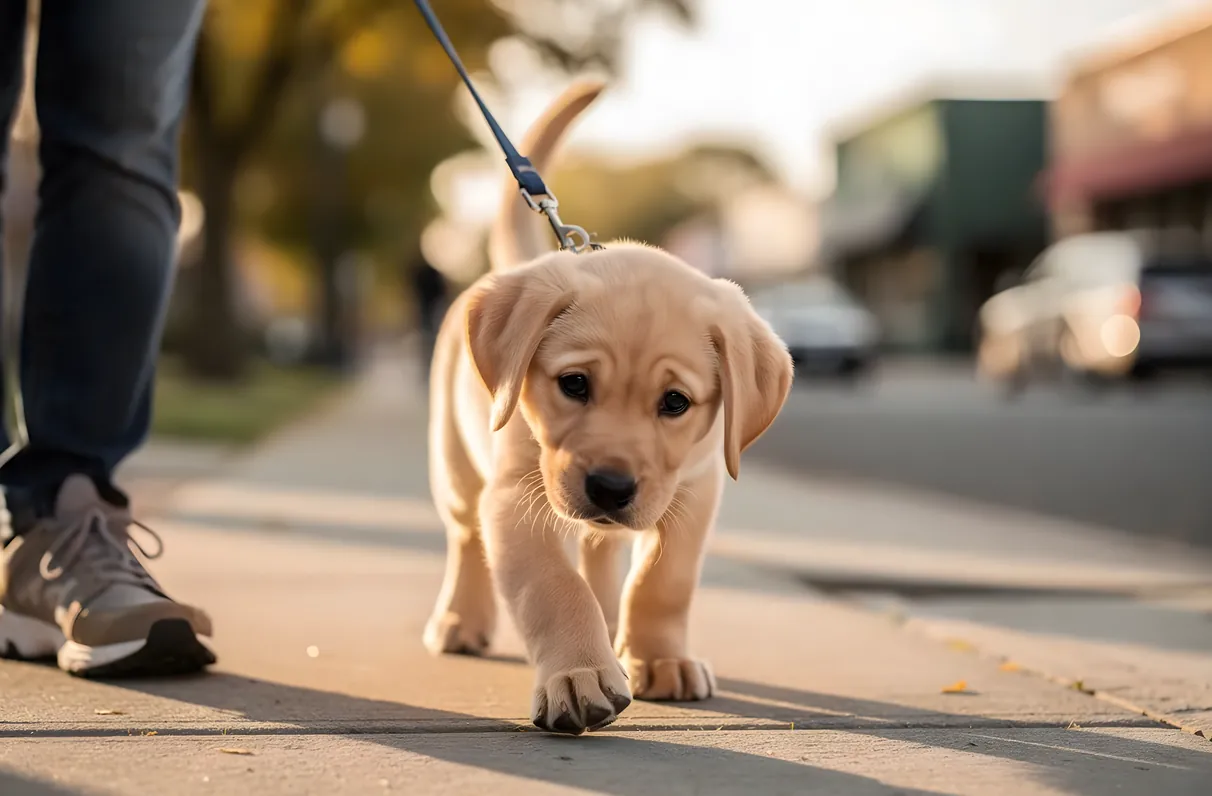
Puppy Walking in Frisco, TX
Puppy walking in Frisco, TX: safe age to start, vaccination timing, the socialization window, and what a professional puppy walker does differently.
Senior Dog Walks in Frisco, TX
Senior dogs still need gentle daily walks. See how a Frisco dog walker adjusts pace and terrain for aging dogs, plus signs to watch for.
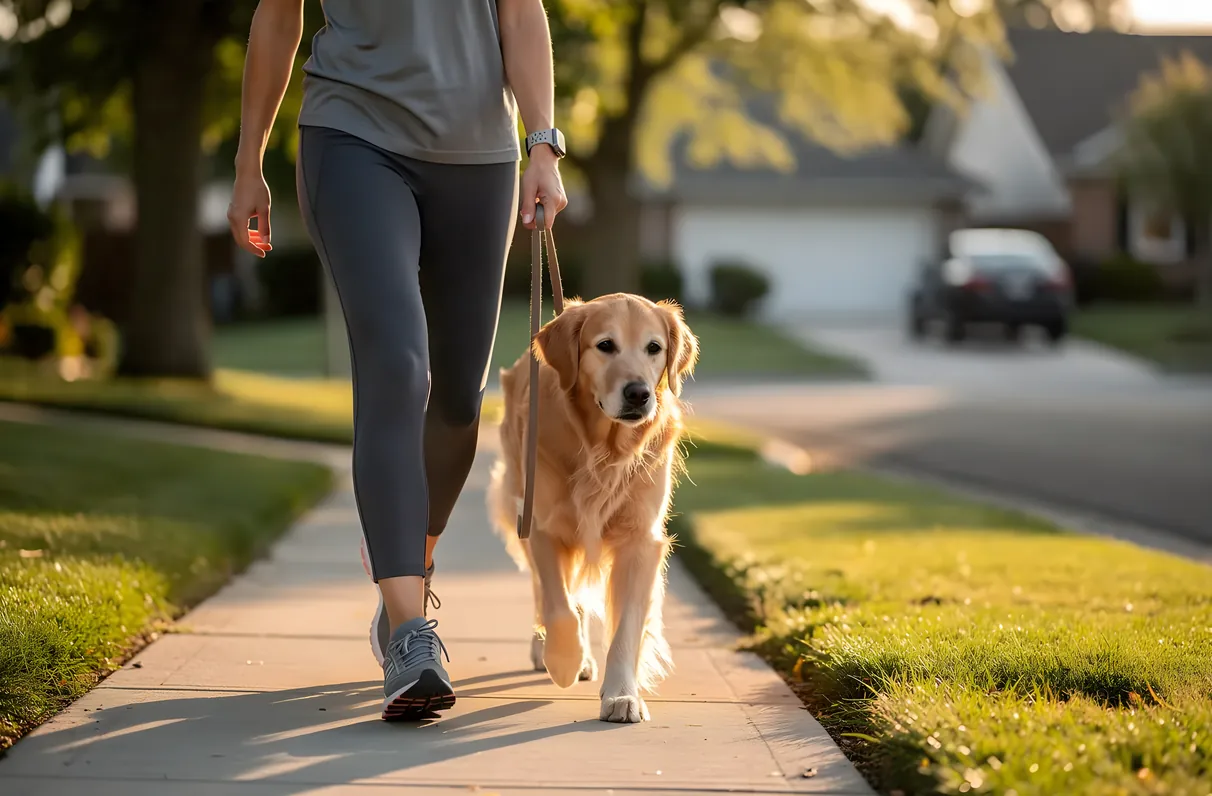
Solo Dog Walks in Frisco, TX
See what a solo dog walk in Frisco, TX involves, which dogs benefit most, and how one-on-one walking compares to group walks.