Benefits of Professional Dog Walking in Frisco, TX
Five real benefits of professional dog walking in Frisco, TX: exercise, socialization, better behavior, flexible schedules, and peace of mind.
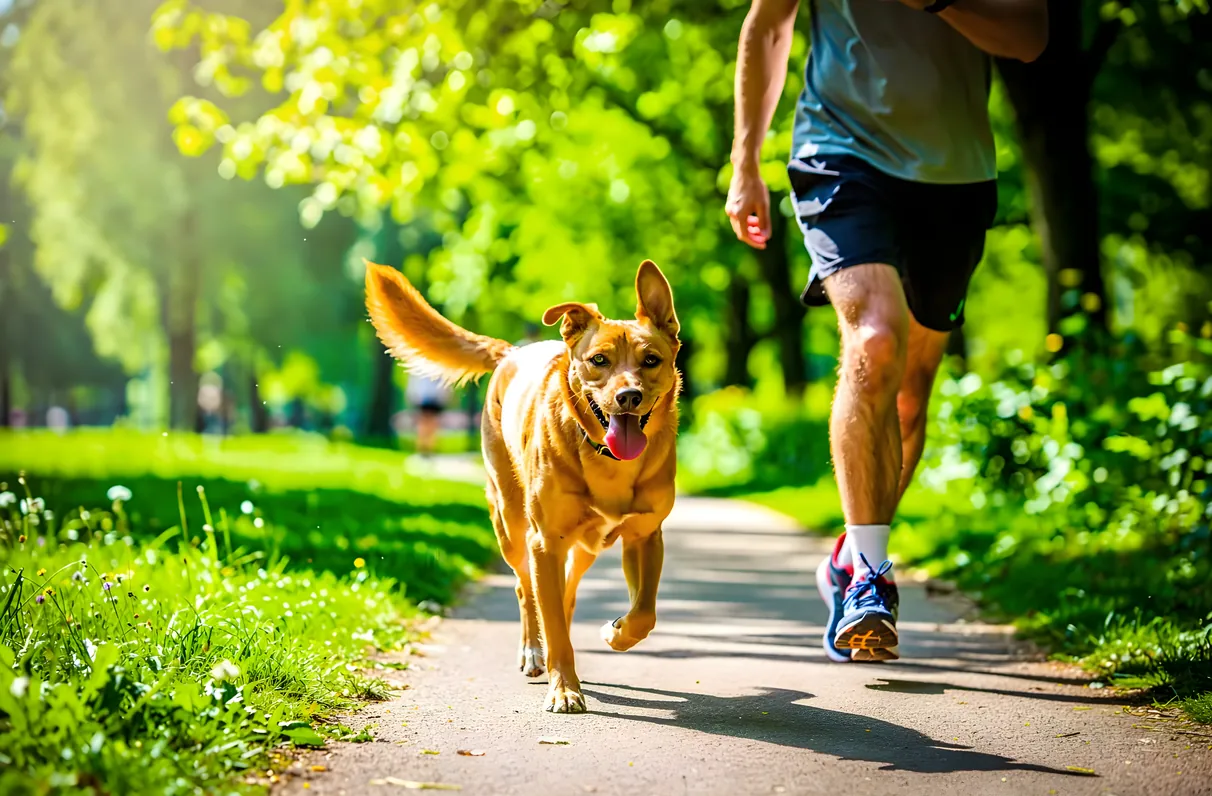
Professional dog walking in Frisco, TX gives a dog more than a break from the yard. Regular walks provide the daily physical exercise that supports a healthy weight, strong joints, and a calmer temperament, though exact needs vary by breed, age, and energy level. Walks also double as socialization: structured exposure to new people, dogs, sights, and sounds in a controlled setting helps a dog build confidence over time. That same activity supports better behavior at home, since a dog getting enough physical exercise and mental stimulation has less pent-up energy left for chewing, barking, or other unwanted habits. For owners, a professional walker adds a flexibility a personal schedule often can’t match: recurring visits that fit a regular routine, or an on-demand booking for the one day a meeting runs long or Texas heat makes a midday walk impractical to handle personally. And handing a dog’s daily care to someone else is a real trust decision, so a walker who is insured, background-checked, and reliable about after-visit updates turns a routine walk into one less thing to worry about during a workday. Each of these five benefits gets a closer look below, with a link to a full article for whichever one matters most for your dog.
More Exercise, Better Physical Health
A daily walk is one of the simplest ways to support a dog’s physical health. Regular movement helps maintain a healthy weight, keeps joints mobile, and supports cardiovascular fitness, benefits that build up over weeks and months rather than showing up after a single outing. How much exercise a given dog actually needs varies widely: a high-energy working breed and a low-energy senior lapdog are not the same dog, and neither is a young, growing puppy the same as either. There’s no single number of minutes that fits every dog, which is part of why a knowledgeable walker adjusts pace and distance to the individual animal rather than running a fixed route regardless of who’s on the other end of the leash.
Yard size doesn’t have to be the limiting factor either. Even a dog without much room to roam at home gets real exercise from a walk through Frisco’s parks and trails, where sidewalks, green space, and dedicated walking paths give a dog room to move that a small backyard can’t. For a full breakdown of exactly how daily walking supports a dog’s physical health long-term, see the exercise and health benefits of daily dog walking.
Socialization Skills Dogs Build on Regular Walks
A walk is also a dog’s regular dose of the outside world. Passing another dog on a leash, hearing a lawnmower down the block, or meeting a new person on the sidewalk all give a dog repeated, low-pressure exposure to the sights, sounds, and encounters it will run into throughout its life. That kind of structured exposure, delivered a little at a time in a controlled setting, is generally how a dog builds real comfort and confidence rather than staying reactive to anything unfamiliar.
This matters most for a shy or under-socialized dog, though it’s not a guaranteed fix for every behavior issue on its own. A dog that rarely leaves the house has fewer chances to practice staying calm around new stimuli, and consistent walks close that gap gradually. For a closer look at how dog walking builds socialization skills and what that process actually looks like week to week, the dedicated article covers it in full.
How Walking Improves Behavior at Home
Exercise and behavior are more connected than they might seem. A walk isn’t just physical activity, it’s also mental stimulation: new smells to investigate, a changing route to follow, sounds to notice along the way. That combination helps a dog burn off pent-up energy in a way that standing in a backyard rarely matches.
A dog that doesn’t get enough of that outlet, physical or mental, tends to look for one somewhere else, and indoors that often shows up as chewing, excessive barking, or other behavior an owner didn’t sign up for. Regular walks reduce destructive behavior at home by giving a dog the physical exercise and mental stimulation it needs to stay calm indoors, and that pattern holds often enough to be worth ruling out before assuming a behavior problem needs anything more complicated than more consistent activity. The physical exercise covered above and the mental engagement of a walk work together here, which is why how regular walks improve dog behavior is worth a closer read for any owner dealing with an under-exercised dog acting out at home.
Regular walks reduce destructive behavior at home by giving a dog the physical exercise and mental stimulation it needs to stay calm indoors.
Flexible Schedules for Busy Frisco Owners
Not every household can walk a dog at the ideal time of day, every day. A long commute, a workday that runs later than planned, or a Texas summer afternoon too hot to safely walk a dog personally can all get in the way, even for an owner who genuinely wants to. Professional dog walking is built to flex around that reality rather than demand a household rearrange its schedule to fit.
That flexibility can look like a consistent recurring visit at the same time each weekday, or it can mean booking a walker on demand for the one day a meeting runs long or plans change last minute. For an owner searching for a dog walking service near me on a Tuesday afternoon because something came up, that same-day flexibility is usually the whole point. Flexible dog walking schedules covers what recurring and on-demand options typically look like and how to think through which fits a given household.
The Peace of Mind a Professional Walker Provides
Handing over a house key and a dog’s daily care to someone else is a real trust decision, not a small one. The exercise, socialization, and behavior benefits above only matter if the person actually walking a dog can be trusted to show up, handle the leash safely, and communicate honestly about how the visit went.
That’s where a few concrete trust signals matter more than a friendly first impression:
- Insurance covering the walker’s activity in and around a home
- A completed background check on record
- Reliable communication, like a photo or update, after every visit
None of that guarantees a perfect match for every dog, but it turns a routine walk into one less thing to worry about during a busy workday, which is really the emotional payoff tying the other four benefits together: the exercise, the socialization, and the better behavior at home only help if the arrangement itself feels dependable. Why a professional dog walker gives you peace of mind goes deeper on what to verify before trusting anyone with that responsibility.
Frequently Asked Questions
How often should a dog be walked for the best exercise benefit?
Most healthy adult dogs benefit from at least one walk a day, and the right amount from there depends on breed, age, and energy level rather than one number that fits every dog. The full exercise and health article breaks that variation down further.
Can walking help a dog that’s shy or reactive around other dogs?
Yes. Structured walks at a comfortable distance from other dogs let a shy or reactive dog build confidence gradually instead of forcing close contact before it’s ready. The socialization article covers how that gradual process typically works.
Will more walks actually reduce destructive behavior like chewing or excessive barking?
In many cases, yes. A dog getting enough physical exercise and mental stimulation during the day generally has less pent-up energy left to burn indoors. The behavior improvement article explains the full connection between exercise and behavior.
Can a dog walking schedule really work around an unpredictable workday?
Professional dog walking commonly offers both recurring visits and on-demand bookings, so coverage can flex around a late meeting, a changed commute, or a day too hot for a midday walk. The schedule flexibility article covers how that flexibility typically works in practice.
What should a Frisco owner look for in a dog walker for real peace of mind?
Insurance, a completed background check, and clear communication after every visit are the trust signals that matter most. The peace of mind article covers the full list of what to ask a potential walker, and how to choose a dog walker walks through the vetting process step by step.
Finding the Right Walking Routine for Your Dog
Understanding why professional dog walking helps is the first step. The next is figuring out which walking format actually fits a specific dog and household, since solo walks, group walks, midday visits, puppy walks, and senior walks each solve a different problem. The types of dog walking services available in Frisco lays out what each format looks like and which dogs tend to do best with it.
Once a format feels like the right fit, the remaining question is who to trust with it. How to choose a dog walker walks through the specific questions worth asking, from insurance and background checks to how a walker handles a dog that doesn’t warm up right away. Between the two, a Frisco owner has what’s needed to move from understanding the benefits to actually finding the right walk for their dog.
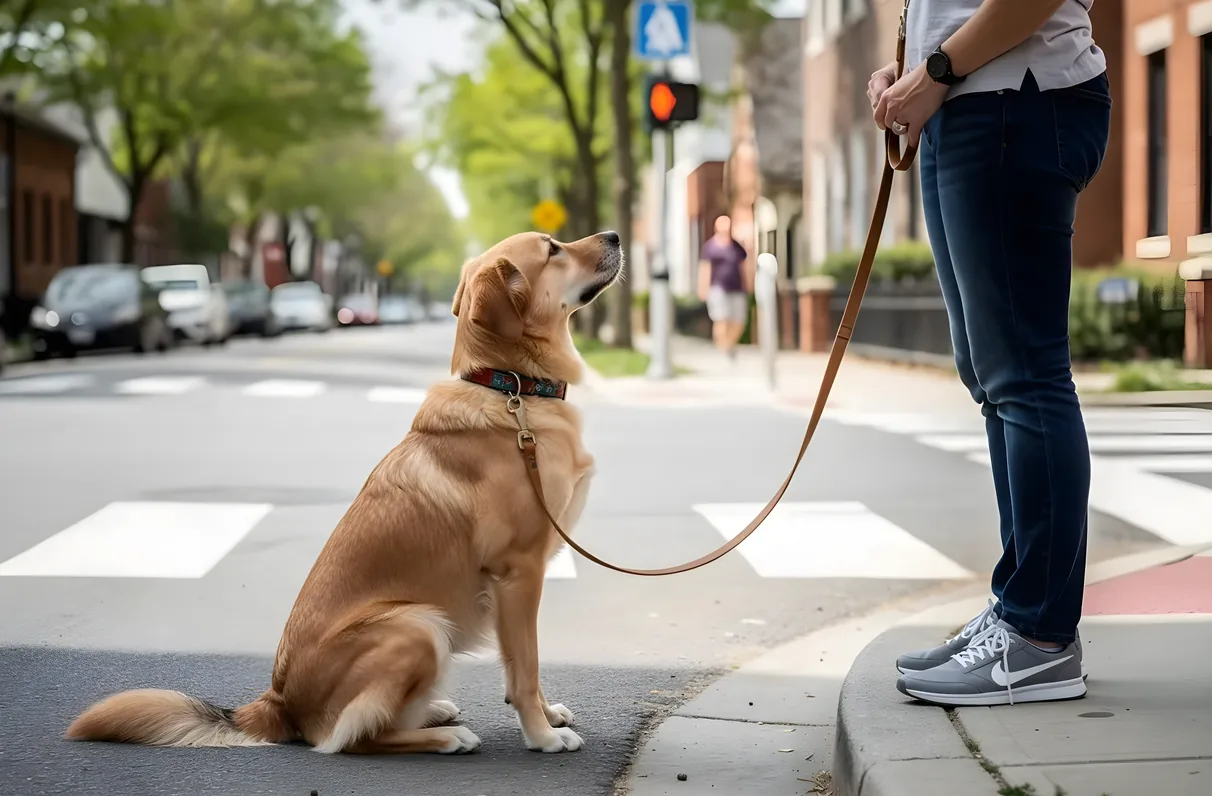
How Regular Walks Improve Dog Behavior
Daily walks curb chewing, barking, and digging by giving dogs an outlet for pent-up energy. See how routine builds calmer behavior.
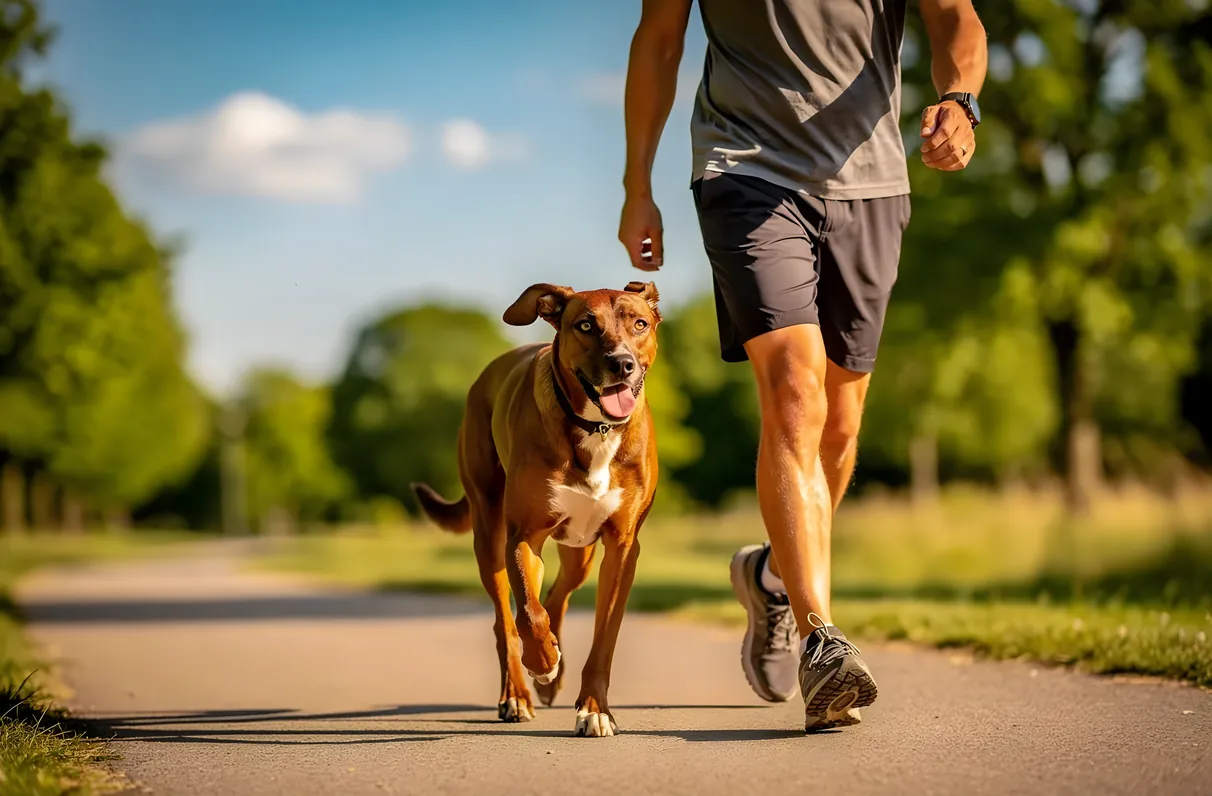
Exercise & Health Benefits of Daily Dog Walking
Daily dog walking builds physical health and mental stimulation for your dog, and offers real health benefits for you too. See how.
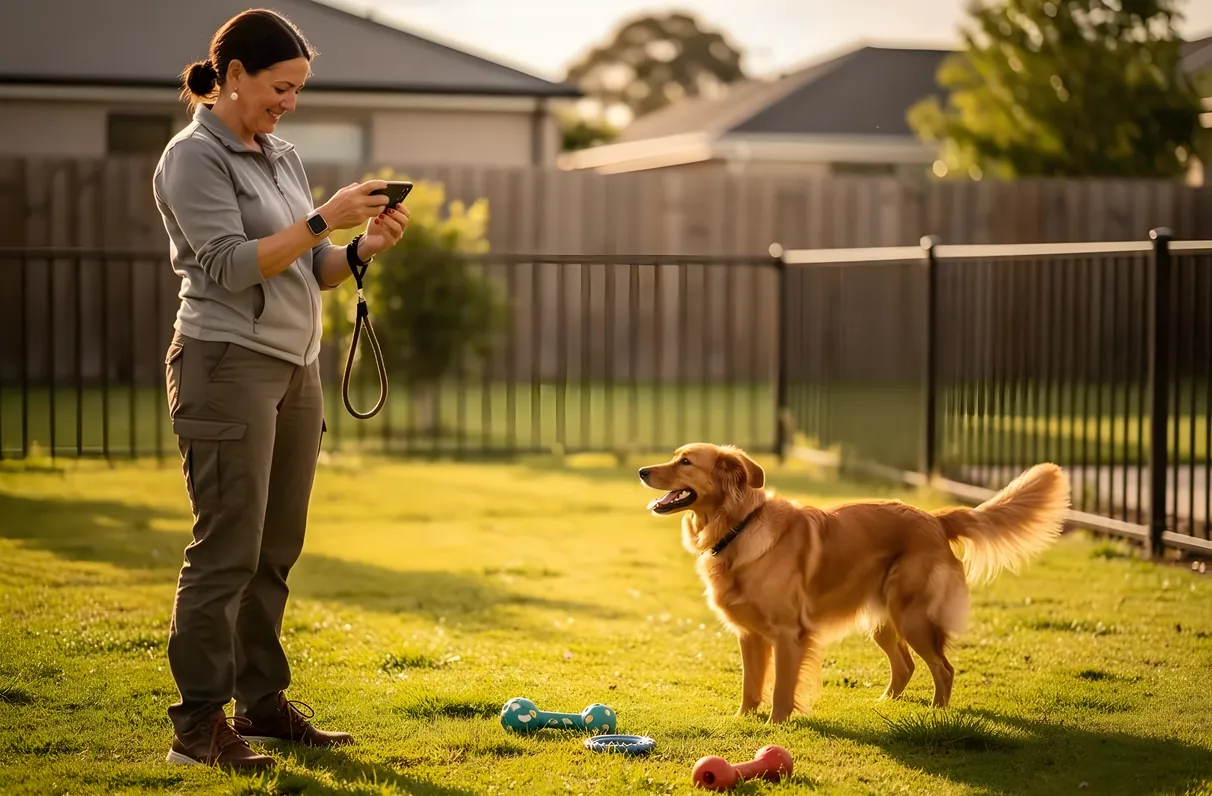
Why a Professional Dog Walker Gives You Peace of Mind
What actually creates peace of mind when hiring a dog walker in Frisco, TX: real trust factors to verify, not just a marketing promise.
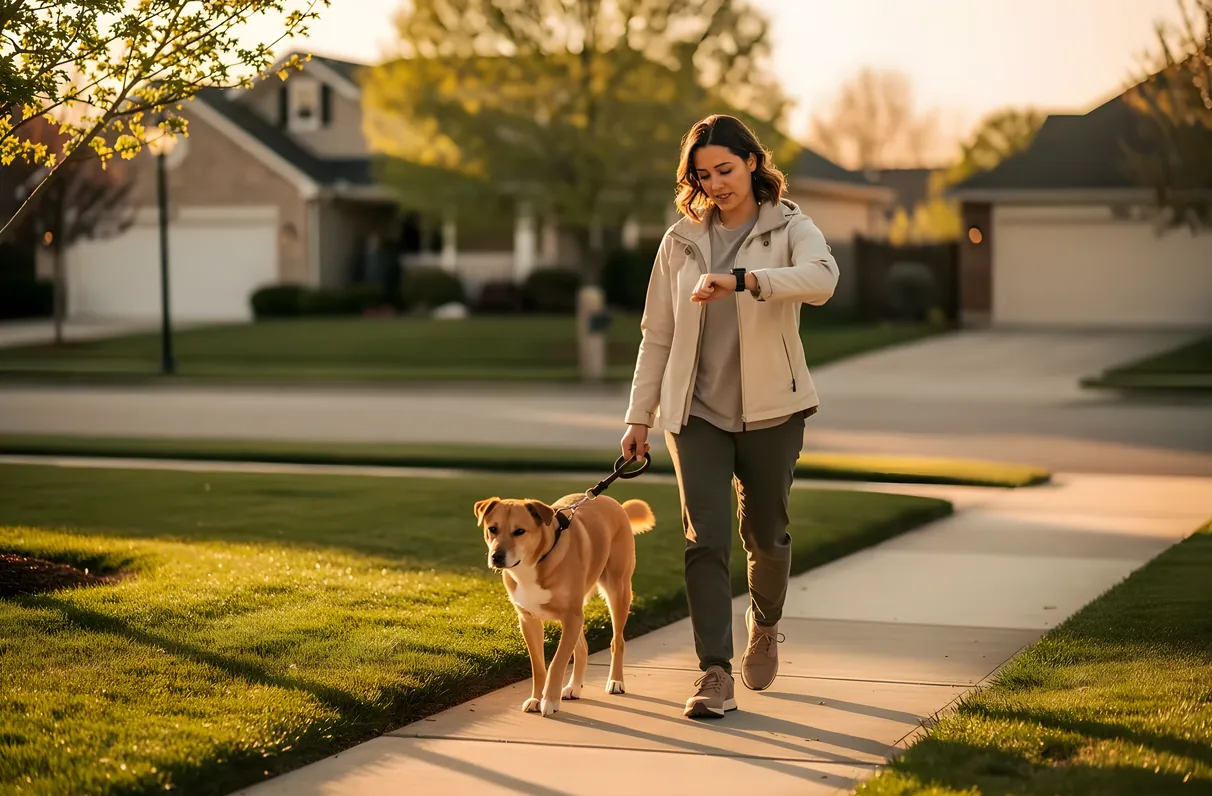
Flexible Dog Walking Schedules for Busy Frisco Owners
Flexible dog walking schedules in Frisco, TX fit busy commuters, WFH pros, and school-schedule families. See scheduling options and how to adjust plans.
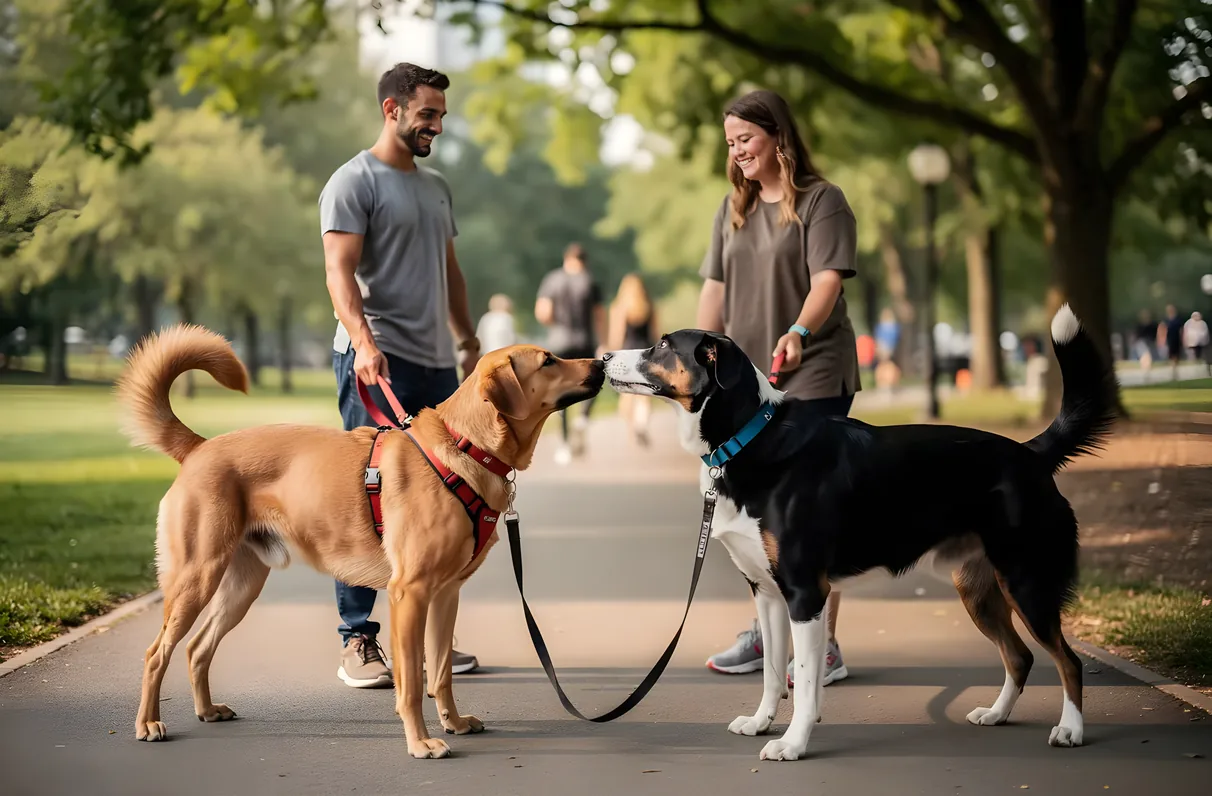
How Dog Walking Builds Socialization Skills
Dog socialization means calm exposure to new dogs, people, and places. See how regular walks build that confidence, and when group walks help most.