Dog Walking Pricing Guide
See what Frisco dog owners typically pay for dog walking, the factors that change the price, and how to spot a fair rate before you book.
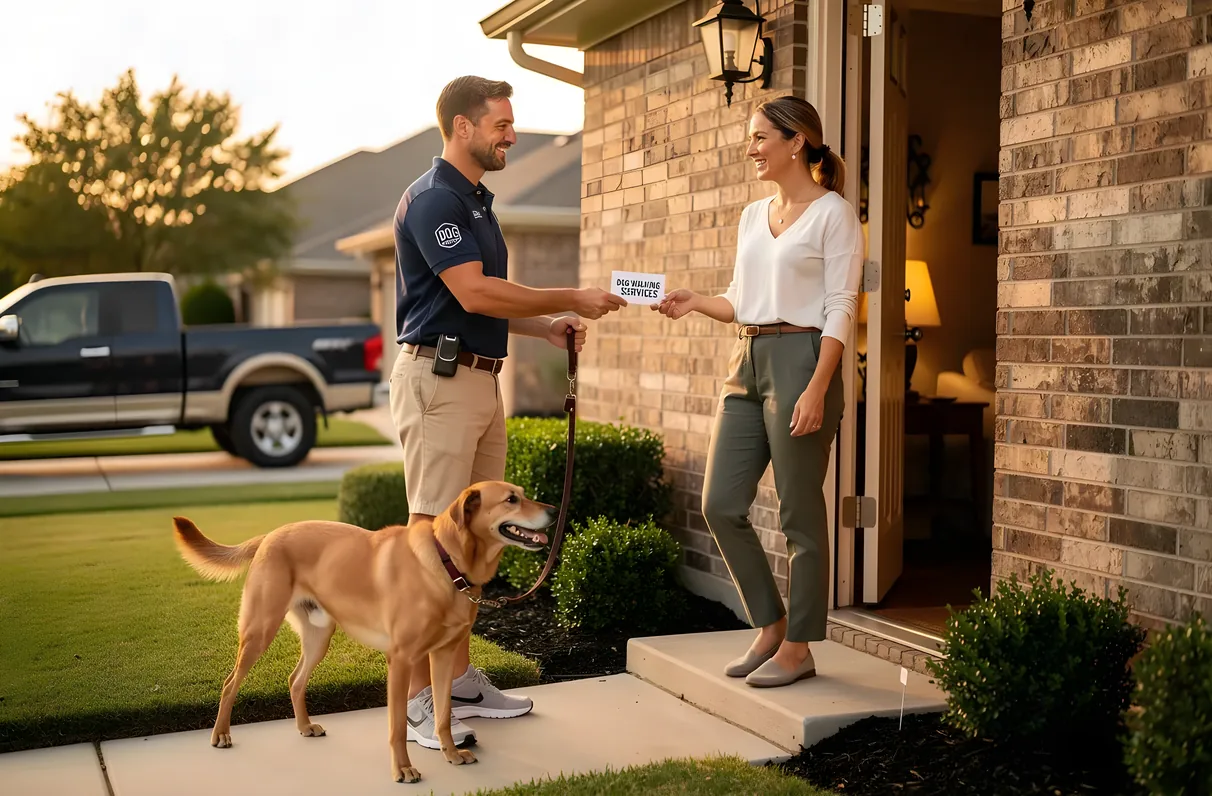
Dog walking rates in the Frisco area typically fall between $15 and $35 per visit, and the price depends mainly on walk length, the number of dogs, and how often you book. That range covers everything from a quick 15-minute check-in to a full 60-minute outing, so the number that actually applies to your dog sits somewhere inside it, not at either end.
Quick Answer: What Dog Walking Costs in the Frisco Area
A standard 30-minute walk is the most common starting point for pricing, and locally it usually lands in the $20 to $25 range. Shorter visits cost less, longer ones cost more, and most of the spread inside the $15 to $35 window comes down to duration, how many dogs are on the leash, and whether you’re booking a single walk or a recurring schedule.
These figures reflect rates reported across major pet-care platforms and by dog walkers operating in the Frisco area, not a single quoted price from one provider. Think of the range as a baseline for comparison rather than a fixed number: a fair quote should land inside it, and if one doesn’t, the rest of this guide explains why that might be.
What Affects Dog Walking Rates in Frisco
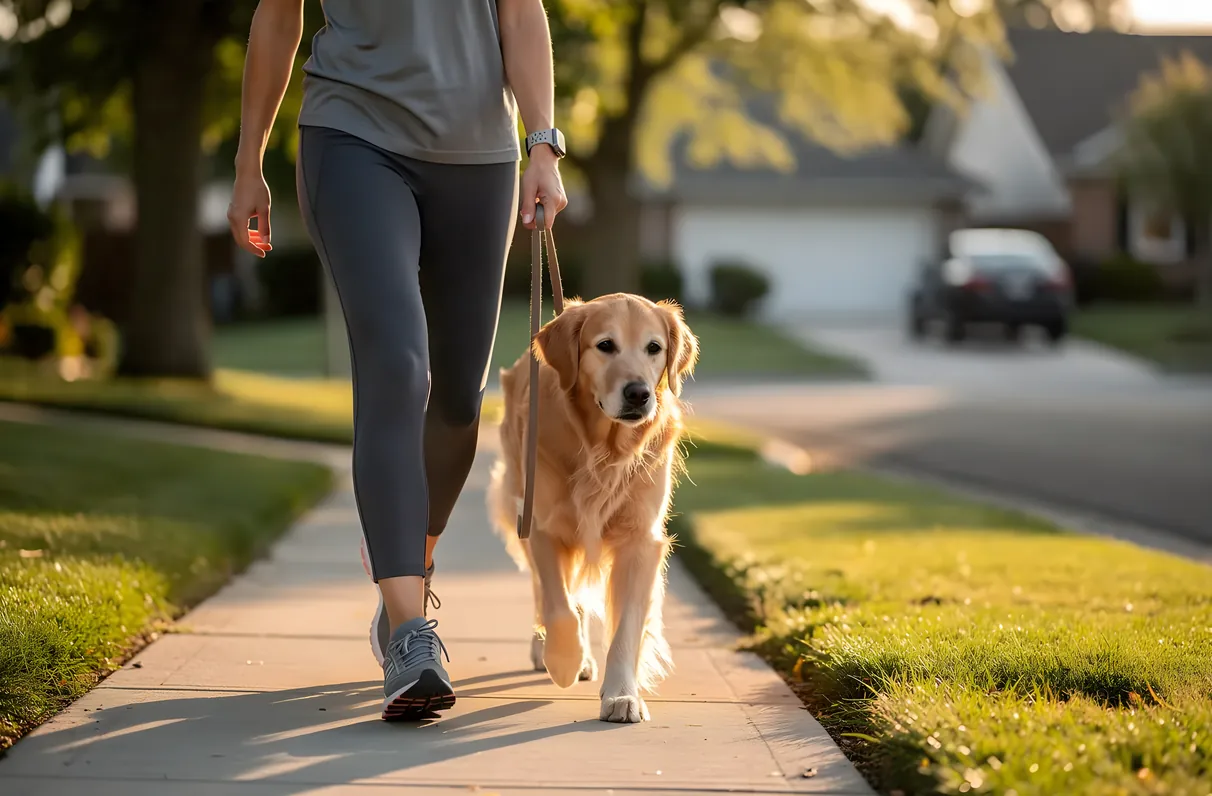
Walk duration moves the price more than any other factor. A shorter 15 to 20-minute visit, often used for a quick bathroom break or a check-in between longer walks, prices lower than a standard 30-minute walk. An extended 45 to 60-minute walk costs more, since it takes a bigger chunk of the walker’s day. A standard solo dog walk sits right in the middle of that scale and gives a useful reference point for what a typical 30-minute visit actually includes.
The number of dogs matters almost as much. Multiple dogs from the same household typically add a modest per-dog fee rather than doubling the base rate outright, since one walker is still covering one route. How often you book plays a role too: a recurring schedule of several walks a week commonly earns a lower per-visit rate than a single one-off booking, because a walker can plan a predictable route around a regular client instead of squeezing in a single request.
Distance and timing round out the list. Walkers who cover a defined service area may charge more for a home outside their usual coverage zone, and rates can run higher around major holidays, when demand goes up and a walker’s own availability gets tighter. None of these factors work in isolation. A recurring booking for a standard 30-minute walk close to a walker’s home base usually lands near the lower end of the range, while a one-off extended walk for two dogs during a holiday week pushes toward the top.
A fair quote should land inside the typical range, and if one doesn’t, the rest of this guide explains why that might be.
What You’re Actually Paying For at Higher Rates
A higher quote isn’t automatically padding. Bonded and insured walkers carry real overhead, insurance premiums, background checks, business licensing, and that cost shows up somewhere in what they charge. It buys real protection too: if something goes wrong during a walk, an insured walker has coverage behind them instead of leaving an owner to sort out the fallout alone.
Formal training or hands-on handling experience is another legitimate reason a quote runs higher. A walker who’s worked with reactive dogs, puppies still building leash manners, or large, strong breeds brings skills that a casual dog-lover picking up side work usually doesn’t have yet. Real-time updates during a walk, photos, a short note about how the visit went, count as a service feature rather than a throwaway extra, since they’re the only way an owner actually knows how the visit went while they’re at work.
Red Flags and Green Flags When Comparing Prices
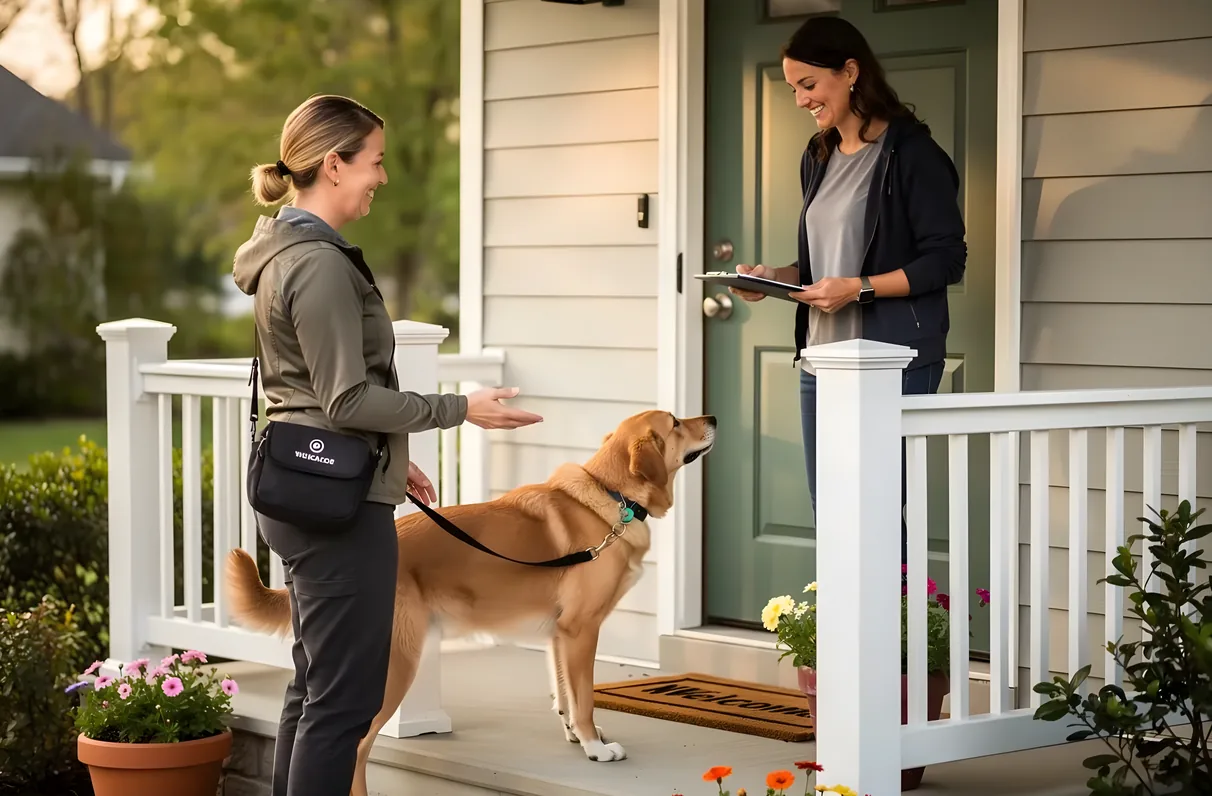
A walker who explains their pricing structure clearly, and answers direct questions about what’s included, is a good sign before anything else. So is a walker who publishes actual rates instead of asking every prospective client to “contact for a custom quote” with no baseline to compare against. Transparency at the pricing stage tends to carry through to how the walker communicates once your dog is actually in their care.
A price that sits well below the typical local range, without any explanation for why, is worth a second look rather than an automatic pass. It can mean genuinely lower overhead, but it can also mean no insurance, no formal vetting, or an informal side arrangement without the safeguards a professional walker builds into their rate. Hidden fees are the other pattern to watch for: charges that only show up after booking, a last-minute surcharge, a mileage fee never mentioned upfront, turn what looked like the cheaper option into the more expensive one once the invoice actually arrives.
Common Questions About Dog Walking Prices
Do dog walkers charge more for multiple dogs from the same household?
Most walkers add a modest per-dog fee for households with more than one dog, since it takes more attention and often a different leash setup than a single dog. Ask for the multi-dog rate directly when you get a quote rather than assuming the single-dog price applies.
Should you tip a dog walker in Frisco?
Tipping isn’t required, but it’s a common way to thank a walker for reliable, attentive care, especially for a regular walker you use week after week. Some owners tip per visit; others give a single larger tip around the holidays instead.
Do dog walking rates change during holidays or peak season?
Many walkers add a modest surcharge around major holidays, when demand is higher and their own availability is tighter. If you book regularly around Thanksgiving, winter break, or summer travel season, ask upfront whether holiday pricing applies.
Is a much cheaper dog walker a red flag?
Not automatically, but it’s worth asking why. A price well below the typical local range can mean lower overhead in a legitimate way, or it can mean no insurance, no formal vetting, or an informal arrangement without the safeguards a professional service provides. Ask directly rather than assuming either way.
Finding the Right Dog Walker for Your Budget
A price range only tells part of the story. Once you know what’s typical and what drives the number up or down, the next step is vetting the specific walker in front of you, not just the quote they gave you. The full guide on how to choose a dog walker covers what to ask, what to check, and which answers should give you confidence rather than pause.
If you’re still deciding what walk length actually fits your dog’s routine, a standard solo dog walk is the baseline most local pricing is built around, and a good place to start comparing quotes against. This guide is one of several in our dog walking resources section built for Frisco pet owners.