Solo Dog Walks in Frisco, TX
See what a solo dog walk in Frisco, TX involves, which dogs benefit most, and how one-on-one walking compares to group walks.
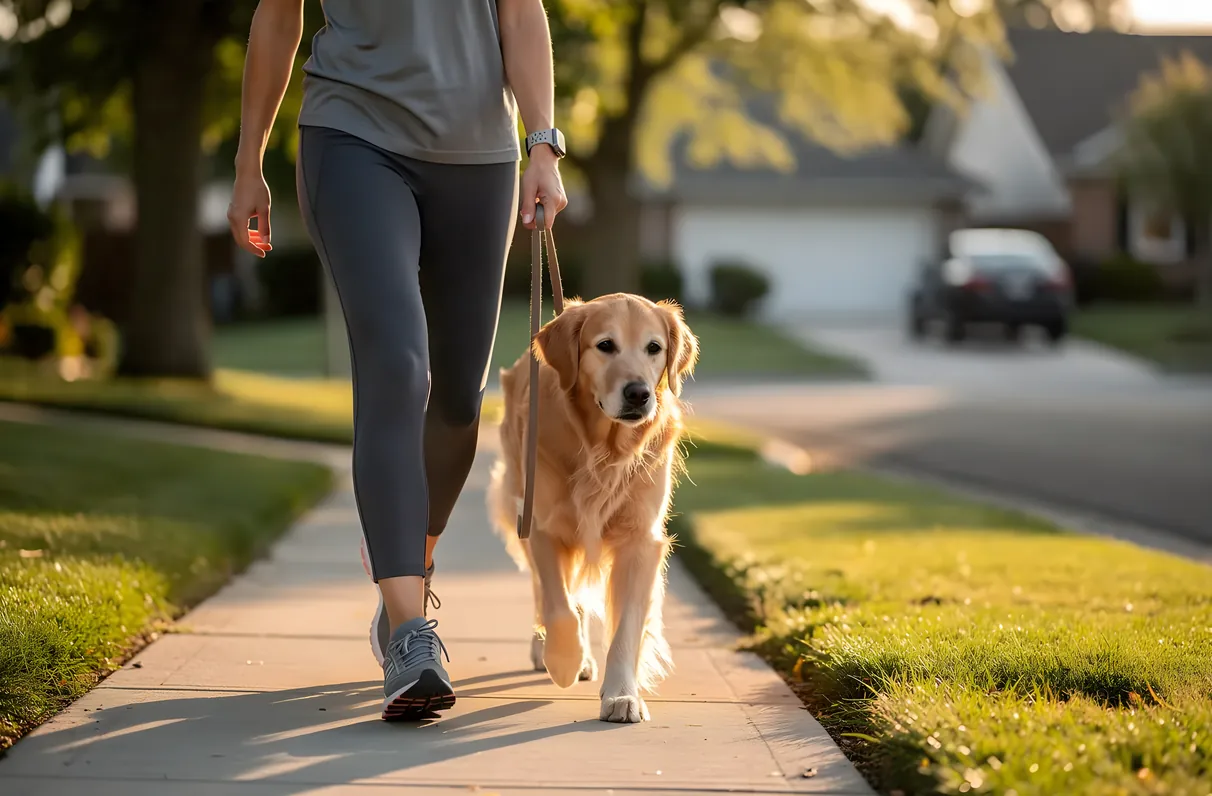
A solo dog walk is a private, one-on-one walking visit where a single dog gets a walker’s full attention, with no other dogs along for the outing. That’s the core difference from a group walk, where several dogs from different households move together at a shared pace: a solo walk is built entirely around one dog’s needs, energy, and comfort. This format tends to suit reactive or leash-anxious dogs who find other dogs stressful, new puppies still building leash manners and confidence, senior dogs who need a slower and gentler pace, and dogs working through a recovery period or a training plan. Plenty of owners also choose it simply because they want individualized care every visit, not because anything is wrong with a group setting. A typical solo visit opens with a short greeting, moves into a walk paced entirely to that one dog, and wraps up with fresh water and a quick update for the owner. Because the walker isn’t splitting attention across multiple dogs, a solo walk allows closer observation of a dog’s behavior and comfort throughout the visit.
What Is a Solo Dog Walk?
A solo dog walk is exactly what it sounds like: one dog, one walker, for the full length of the visit. There’s no shared leash time, no waiting on another dog to finish sniffing a fence line, and no pace negotiated between two or three animals with different energy levels. The entire walk belongs to one dog.
It’s worth saying plainly that a solo walk isn’t only a fallback for dogs who can’t handle a group setting. Plenty of owners pick it because they want a walker’s undivided attention on every visit, the same way some people prefer a private lesson over a group class. Some dogs genuinely need the one-on-one format. Others simply do better with it, and their owners know that.
How Solo Walks Differ From Group Walks
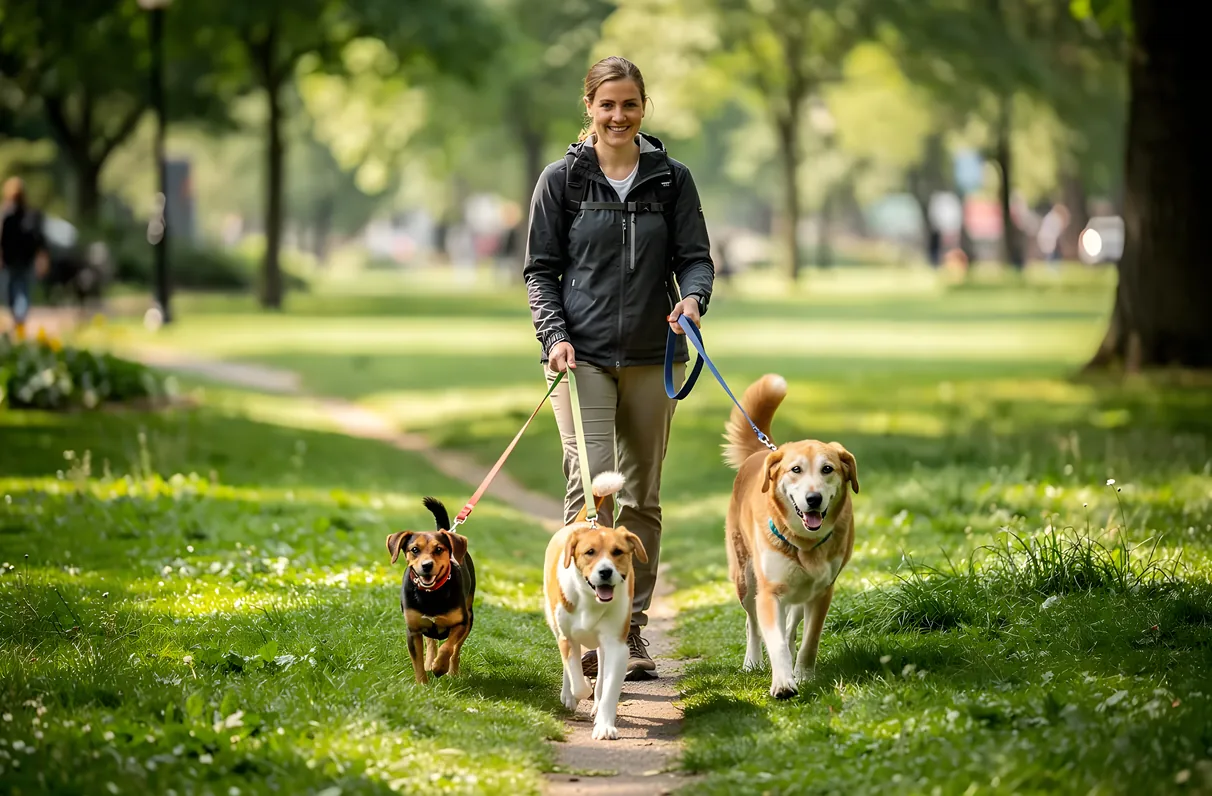
A group dog walk brings several dogs together, usually from different households, moving as a loose pack at a pace that works for the group as a whole. That structure has real upside: dogs get exposure to other dogs, practice with leash manners around them, and a bit of built-in socialization alongside the exercise.
A solo walk trades that dynamic for something else. There’s no pace to average out and no socialization component at all, because socialization isn’t the point of a one-on-one visit. The point is a walk shaped around exactly one dog: their speed, their sniff breaks, their tolerance for heat or distance that day.
Neither format wins across the board. They’re two different tools for two different goals, and plenty of owners use both depending on the dog’s mood or the week. Anyone weighing the two can get the fuller picture from how group dog walks actually work.
Which Dogs Benefit Most From Solo Walks
Some dogs are especially well suited to one-on-one walking, and the pattern usually comes down to how much a dog’s comfort depends on the surrounding environment.
- Reactive or leash-reactive dogs tend to do better without another unfamiliar dog nearby, since removing the trigger from the walk altogether beats trying to manage a reaction in the moment.
- New puppies benefit from building leash manners and basic confidence one-on-one, without the pressure of keeping pace with older, more experienced dogs. The guide to puppy walking covers that in more detail.
- Senior dogs generally need a slower pace, shorter distances, and more room to rest, all easier to manage without a group’s momentum pulling the walk along. The page on senior dog walks goes deeper on pacing for older dogs.
- Dogs recovering from surgery, an injury, or working through a training plan often need a walk that can adjust in real time, something a solo format handles more naturally than a group setting.
Owners with a tight midday schedule sometimes choose solo walks for a different reason: a dedicated one-on-one visit fits neatly into a lunch-hour window. The midday dog walking visits page covers that scheduling angle in full.
What Happens During a Solo Walk Visit
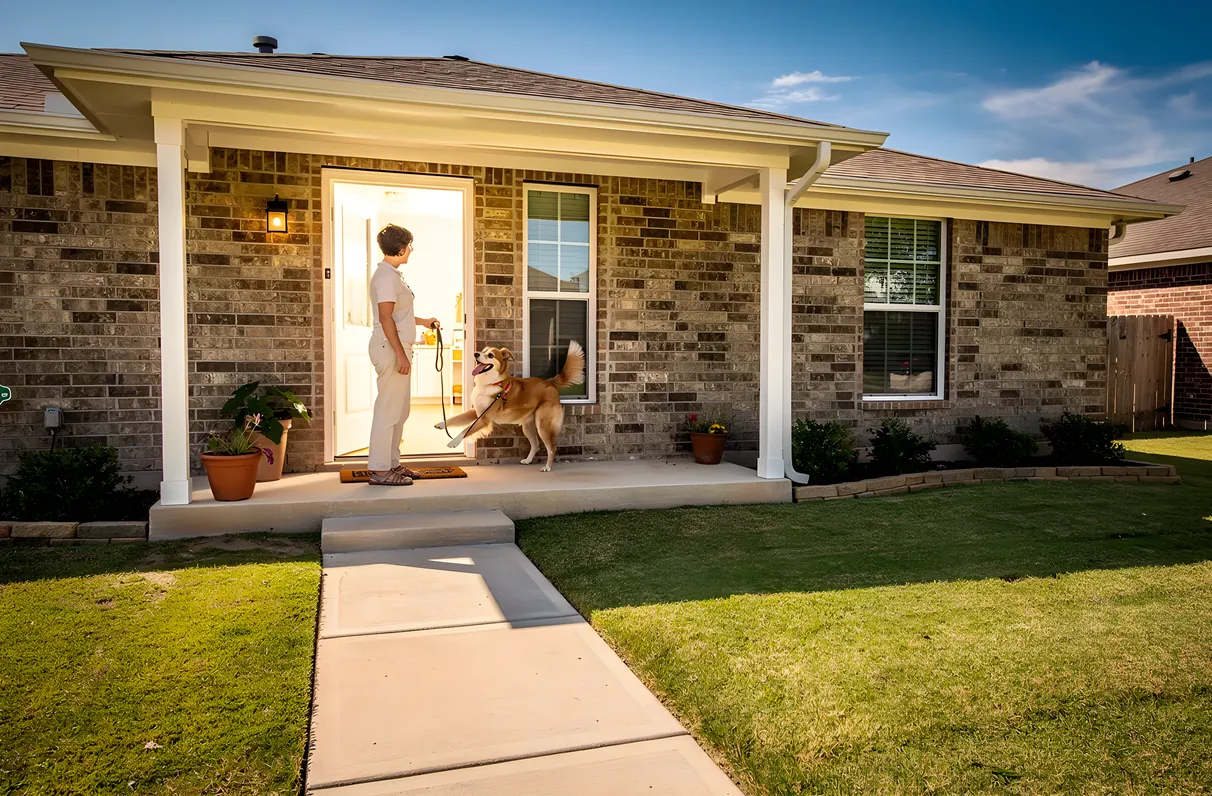
A solo walk visit follows a simple, predictable rhythm. It starts with a short settling-in period: the walker arrives and gives the dog a minute to say hello and adjust, rather than clipping on a leash the second the door opens.
From there, the leash goes on and the route takes shape around that one dog specifically: a longer loop for a dog with energy to burn, a shorter and slower route for a dog that tires quickly, or a detour around a busy stretch of sidewalk for a dog that does better with less foot traffic nearby. Because there’s only one dog to watch, the walker can pick up on small cues along the way, like limping that wasn’t there last week, a sniff that lingers too long near something a dog shouldn’t eat, or hesitation before crossing hot pavement. The visit wraps up with fresh water and a quick update for the owner on how the dog seemed that day.
The Benefits of One-on-One Attention
The advantage of a solo walk comes down to attention that isn’t divided. Pace and route get shaped around what one dog actually needs that day, not averaged across however many dogs happen to be on the walk. A walker watching a single dog can notice a change in behavior or comfort without splitting focus across multiple leashes and personalities at once.
A solo walk means the pace, the route, and the attention are shaped around one dog, not averaged across a group.
For dogs that find unfamiliar dogs overwhelming, the format also lowers overall stress on the walk, since there’s no unpredictable pack dynamic to manage. And because the same dog gets the same rhythm and attention every visit, a solo walk builds a consistency that a rotating group of walking partners can’t quite match.
Frequently Asked Questions
What’s the difference between a solo dog walk and a group walk?
A solo walk is one dog with one walker for the entire visit, while a group walk brings several dogs together at a shared pace. The right pick usually comes down to the dog: one that reacts poorly to unfamiliar dogs or needs an individualized pace typically does better solo, while a social dog often does well in a group.
How long does a solo dog walk usually last?
Most solo dog walks fall in the same general range as a standard walking visit, typically 20 to 60 minutes depending on the service booked and the dog’s energy level. Because there’s only one dog to accommodate, the pace and length can flex more easily than a group walk, where the visit has to work for several dogs at once.
Are solo walks better for reactive or anxious dogs?
Solo walks help reactive or anxious dogs mainly by removing the trigger itself rather than managing a reaction after it starts. A walker on a one-on-one visit can choose quieter streets, avoid busy dog-walking hours, or reroute around another dog on the sidewalk, none of which is possible while managing multiple leashes at once.
What does a dog walker actually do during a one-on-one visit?
Beyond the walk itself, a solo visit gives a walker room to watch one dog closely instead of just moving them from point A to point B. Small changes, like reduced appetite, a slight limp, or unusual hesitation, are easier to catch and pass along to the owner without attention split across several dogs.
Finding the Right Walking Style for Your Dog
Solo and group walks solve different problems, and the right pick usually comes down to how a particular dog handles pace, unfamiliar dogs, and change. A reactive dog, a new puppy, a senior, or a dog mid-recovery generally does better with the individualized attention a solo walk provides, while a social, easygoing dog might get more out of the company a group walk offers.
The next step is finding the right person for the job. The guide to how to choose a dog walker covers what to ask and look for, and the full rundown of types of dog walking services lays out every format side by side.