What to Expect From Your First Dog Walking Visit
What actually happens during a first dog walking visit, from the meet and greet to the post-walk report. Know what to expect before day one.
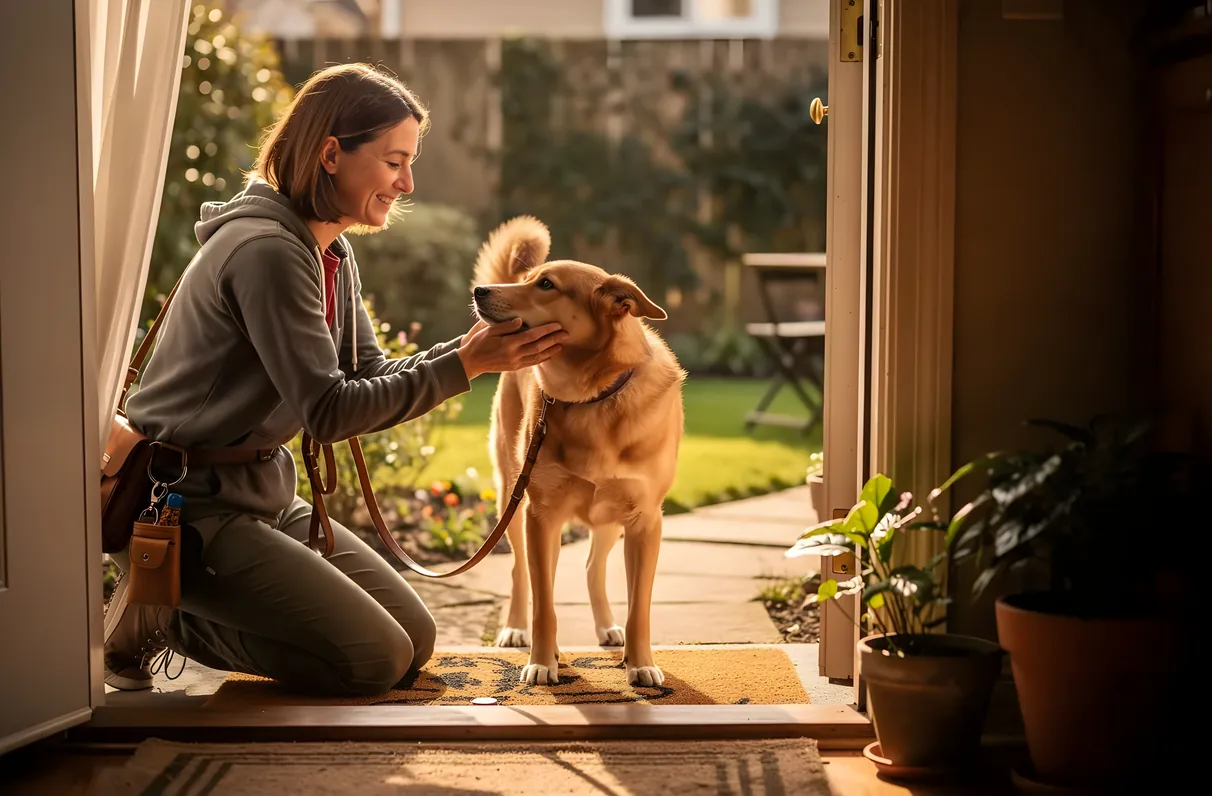
A first dog walking visit follows a set, predictable sequence, because a walker needs time to learn a new dog and a new home before taking either one on alone. It starts with a meet and greet, a shorter introduction visit that happens before any paid walk. The walk that follows is usually slower and shorter than a regular one, focused on getting the dog comfortable with a new person holding the leash rather than covering ground. The walker checks home access, asks about the dog’s routine, and gets a read on leash manners and temperament. Owners typically hear how it went through a text update, a photo, or a tracked route, followed by a post-walk report once the dog is home safe. Visit one is about building a working relationship between the walker, the dog, and the home, not passing a test.
Once a Frisco pet owner has settled on choosing the right dog walker, the process that follows tends to look the same regardless of who’s holding the leash.
The Meet and Greet Comes First
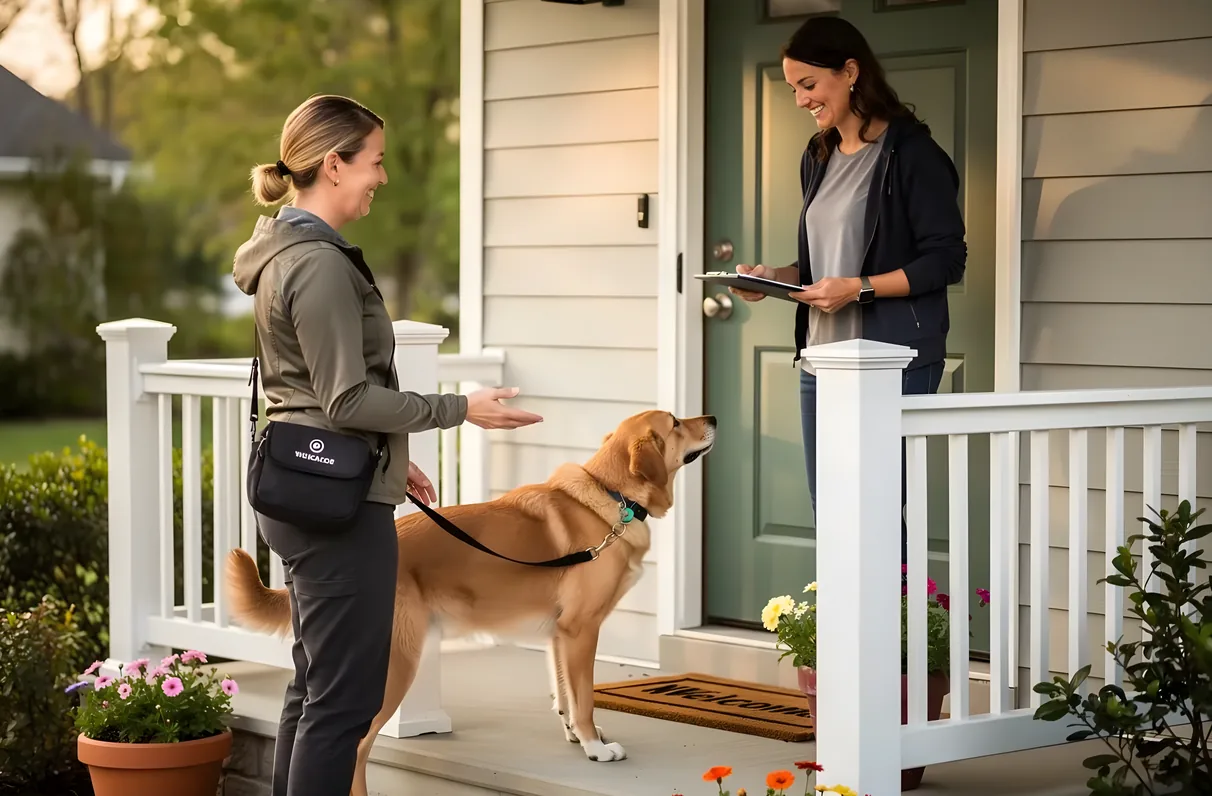
Before any paid walk happens, most professional dog walking services schedule a meet and greet: a separate, shorter visit built for introductions, not exercise. The owner and walker meet in person, and the walker meets the dog on its own turf, in the home where it already feels comfortable, rather than a strange new environment.
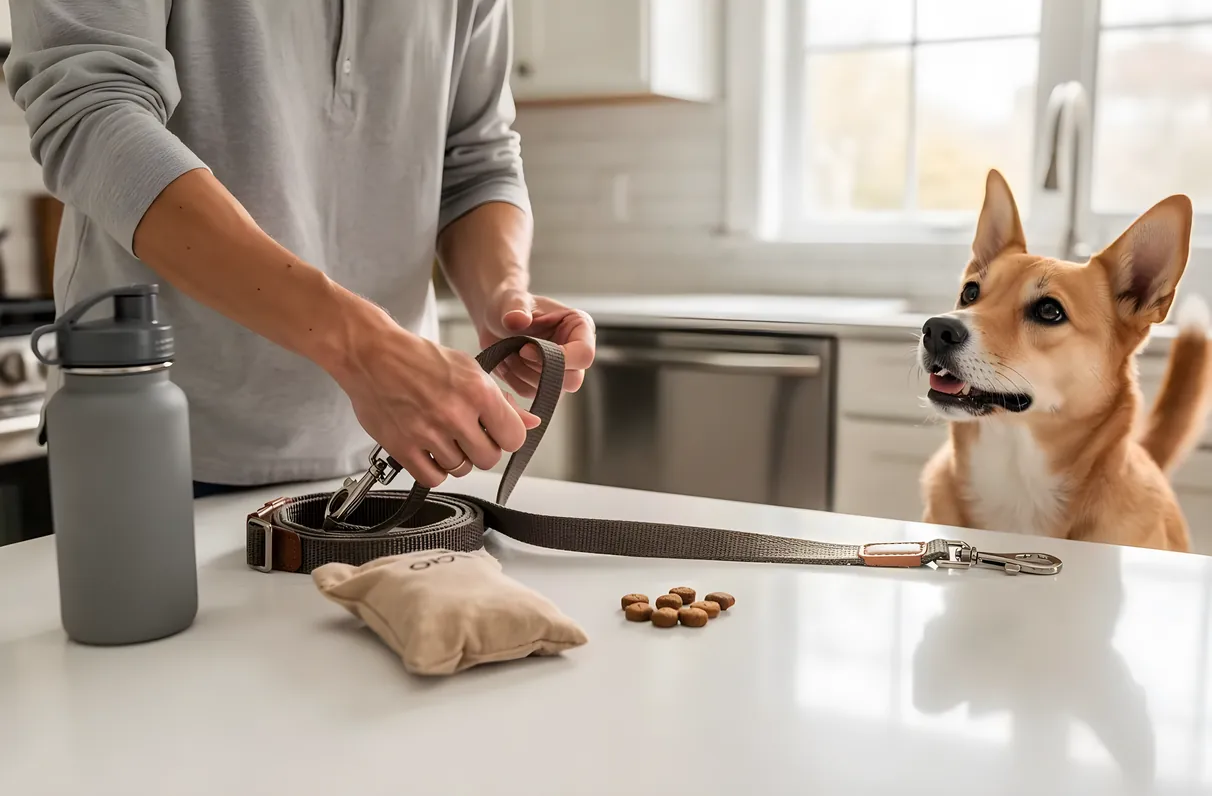
This visit is where the real groundwork gets laid. The walker asks about feeding schedule, medical needs, behavior quirks, triggers, and any command words the dog already knows. The owner shows the walker around: where the leash and supplies live, which doors and gates the walker will use, and where the dog tends to settle when relaxed. Access logistics, like whether a key gets handed over on the spot or a lockbox code gets set up, usually get sorted here too.
What Happens During the First Walk
The walk that follows the meet and greet isn’t a full-length outing. It’s usually shorter or slower-paced than a regular walk, built around one goal: letting the dog get comfortable with a new person holding the other end of the leash. Distance and pace can wait.
Owners generally aren’t required to be home for this first walk, since the meet and greet already handled introductions and access. Plenty of first-time clients choose to be there anyway, just for peace of mind, and that’s a normal call either way. Walkers tend to stick to familiar streets close to the house rather than introducing a brand-new park or trail on day one, keeping the variables low while the dog and walker get to know each other.
The first walk is about building trust between a new walker and a dog, not covering the most ground.
What a Walker Is Really Assessing on Visit One
A walker spends visit one gathering information, not judging the dog. Leash manners come first: does it pull, lunge, or settle in, and how does it respond to a stop or redirect. Reactions to common triggers matter too, whether that’s another dog, a passing car, or a sudden loud noise.
Comfort level with a new person varies from dog to dog. Some warm up within minutes; others need a visit or two before they’re fully at ease, and both are normal. The walker also notes house-specific details that affect future visits: exit points, other pets in the home, anything that changes how entry and exit get handled safely. There’s no pass or fail here, only information a walker uses to plan the next visit.
Staying in the Loop: Updates, Photos, and GPS
Once the walk is underway, most professional dog walkers keep the owner posted. A text or app-based update when the walk starts and ends is standard practice, and it’s often the first real reassurance a first-time client gets that everything is going fine.
Photos taken mid-walk are common too, and they tend to matter most on that first visit, when an owner hasn’t yet built up trust in how the walker handles things. Where it’s offered, a tracked route lets an owner see exactly where the dog walked and for how long.
The Key Handoff and Home Access
Getting into the house is the practical detail that makes everything else possible, and there’s more than one way to handle it. A physical key handed over at the meet and greet is common, and so is a lockbox with a code, or a smart lock or garage code the owner sets up themselves. None of these is required. It comes down to whatever the owner is comfortable with.
What Shows Up in the Post-Walk Report
A post-walk report is what lets an owner “attend” a walk they weren’t physically there for. Typical contents include bathroom breaks and any concerns tied to them, whether water got refilled, treats given if authorized, general notes on mood and behavior, and a timestamp. Photos often come attached as well.
A good report doesn’t stay quiet if something was off. A limp, unusual reluctance to walk, or a reaction to something on the route belongs in the report, not left for the owner to notice later.
Common Questions About a First Dog Walking Visit
Do I need to be home for my dog’s first walk?
No, most owners aren’t present for the walk itself, since the meet and greet already covered introductions and home access. Some first-time clients stay home anyway for peace of mind, and that’s fine too. It’s a preference, not a requirement.
Will my dog be walked with other dogs the first time?
Typically not. A first visit is usually a one-on-one introduction, so the walker and dog can get comfortable before adding other dogs to the mix. Group walks tend to come later, once the walker has a read on the dog’s temperament.
What if my dog doesn’t warm up to the new walker right away?
That’s normal, not a red flag. Some dogs are comfortable within minutes; others take a visit or two, and a patient walker builds the relationship gradually instead of forcing it.
Getting Ready for Visit One
Now that the general sequence is clear, meet and greet, first walk, ongoing updates, the next useful step is making sure everything’s in place before visit one actually happens. The guide to getting your home ready for the first visit covers exactly that: what to leave out, what information to have on hand, and how to prepare before the first visit begins. This is one of several dog walking resources for Frisco owners getting started with a professional walker.