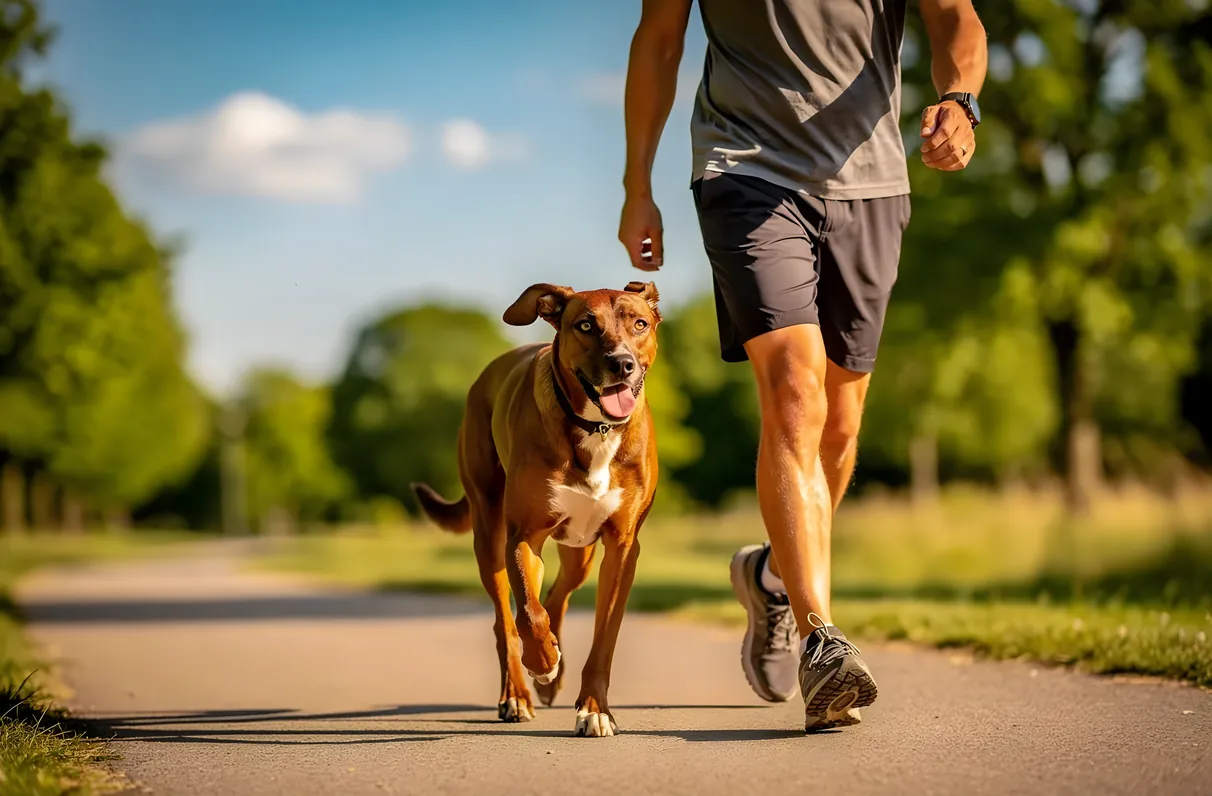
How Regular Walks Improve Dog Behavior
Daily walks curb chewing, barking, and digging by giving dogs an outlet for pent-up energy. See how routine builds calmer behavior.

A dog with energy it hasn’t burned off finds somewhere to put it, and that somewhere is usually furniture, the yard, or the neighbors’ ears. Chewing, barking, and digging aren’t random. They’re what happens when pent-up energy doesn’t have anywhere else to go. A regular walking routine gives that energy a physical outlet, and dogs that get one settle into calmer, more predictable behavior at home. How much exercise it takes depends on the dog’s breed and age, and a single walk here and there won’t do it. A routine will.
Why Exercise Changes How a Dog Behaves
Dogs that don’t get to move accumulate energy, and that energy doesn’t just disappear. It builds until it has to come out somehow, whether that’s tearing into a couch cushion, barking at nothing in particular, or digging up a flower bed. A daily walk gives that energy a physical outlet before it turns into a household problem.
It’s worth drawing a quick distinction here. Some behavior comes from boredom, a dog with nothing to do and too much energy, and some comes from anxiety, a dog reacting to stress rather than excess energy. A walk addresses the first kind directly. The second kind is a different conversation, and a single walk won’t resolve it on its own.
This page focuses on the behavior side of walking specifically. For the broader case for daily exercise, including heart health, weight management, and joint health, the physical health benefits of daily walks cover that ground in more depth.
Destructive Behaviors a Daily Walk Can Reduce
Three behaviors show up again and again in under-exercised dogs, and each one tends to ease up once a consistent walking routine is in place.
Chewing is often the clearest signal. A dog that goes after furniture, shoes, or baseboards instead of an appropriate chew toy is frequently working off boredom or leftover energy, not just teething or curiosity.
Barking at nothing in particular, as opposed to alert-barking at something real, tends to track closely with dogs that aren’t getting enough physical activity. It’s a way of releasing tension that hasn’t found another outlet.
Digging follows the same pattern. Dogs that spend most of their time in the yard without much off-property walking time are more likely to turn the yard itself into a project.
None of this means a walk erases these behaviors overnight or guarantees they’ll never happen again. Behavior has more than one cause, and exercise is one lever among several. But it’s a lever that consistently moves the needle.
Every Breed Burns Off Energy Differently
Not every dog needs the same amount of walking to settle down, and sizing a routine to the wrong dog is a common reason walks don’t seem to be working.
Higher-energy working and herding breeds, the kind bred to move and problem-solve all day, typically need more daily activity before they settle than a lower-energy companion breed does. A routine that would tire out a smaller companion dog might barely register for a dog bred to herd livestock across open ground.
Age matters just as much as breed. A young, high-energy dog usually needs more than a short stroll to settle. An older dog, or a breed prone to breathing difficulty, needs pacing that respects its limits rather than a routine built for a dog half its age. The site’s senior-dog and puppy-focused pages go into more detail on pacing a walk to the dog in front of you.
The takeaway is simple: match the walk to the dog. A routine sized correctly produces the calming effect people expect from exercise. One sized to the wrong dog, in either direction, won’t.
How a Walking Routine Builds Calm, Predictable Behavior
A single long walk on a Saturday doesn’t do what a shorter walk most days of the week does. A dog’s baseline energy level stays even when walks happen on a predictable schedule, and that even baseline is what actually shows up as calmer behavior at home.
A tired dog is a good dog, and a well-exercised dog is a calm one, day after day, not just on the days it happens to get a long walk.
Consistency also does something a single walk can’t: it gives the dog a structured outlet to anticipate, which cuts down on the restless, anxious energy that can build up between walks. A dog that knows a walk is coming settles differently than one waiting for something that might not happen.
Walking around other dogs and people adds another layer worth mentioning briefly. The confidence and comfort a dog builds from regular exposure to the world plays into calmer behavior too, and the social skills and confidence walks build get a fuller explanation on the socialization page.
Frequently Asked Questions
How often should you walk your dog to prevent behavior problems?
A single long walk on the weekend doesn’t have the same effect as a shorter walk most days. Consistency is what keeps a dog’s baseline energy level even, and that’s what actually curbs chewing, barking, and digging.
How much exercise does a dog need to stay well-behaved?
It depends heavily on breed and age. A high-energy breed may need significantly more daily activity than a lower-energy or senior dog before it settles down. There’s no single number that fits every dog.
What are the signs my dog isn’t getting enough exercise?
Watch for behavior that shows up specifically after a day with less activity than usual: new or worsening chewing, restlessness, or digging right after a walk gets skipped. A pattern that tracks with activity level is a strong signal, not a coincidence.
Making Walks Part of the Fix
A chewed-up shoe or a hoarse-sounding bark isn’t a mystery once the cause is this straightforward. A consistent routine, sized to the dog’s breed and age, is the practical next step for turning things around. For the full picture of what regular walking does for a dog, from physical health to social confidence to everyday peace of mind, the full range of benefits regular dog walking provides is worth exploring next.