Puppy Walking in Frisco, TX
Puppy walking in Frisco, TX: safe age to start, vaccination timing, the socialization window, and what a professional puppy walker does differently.
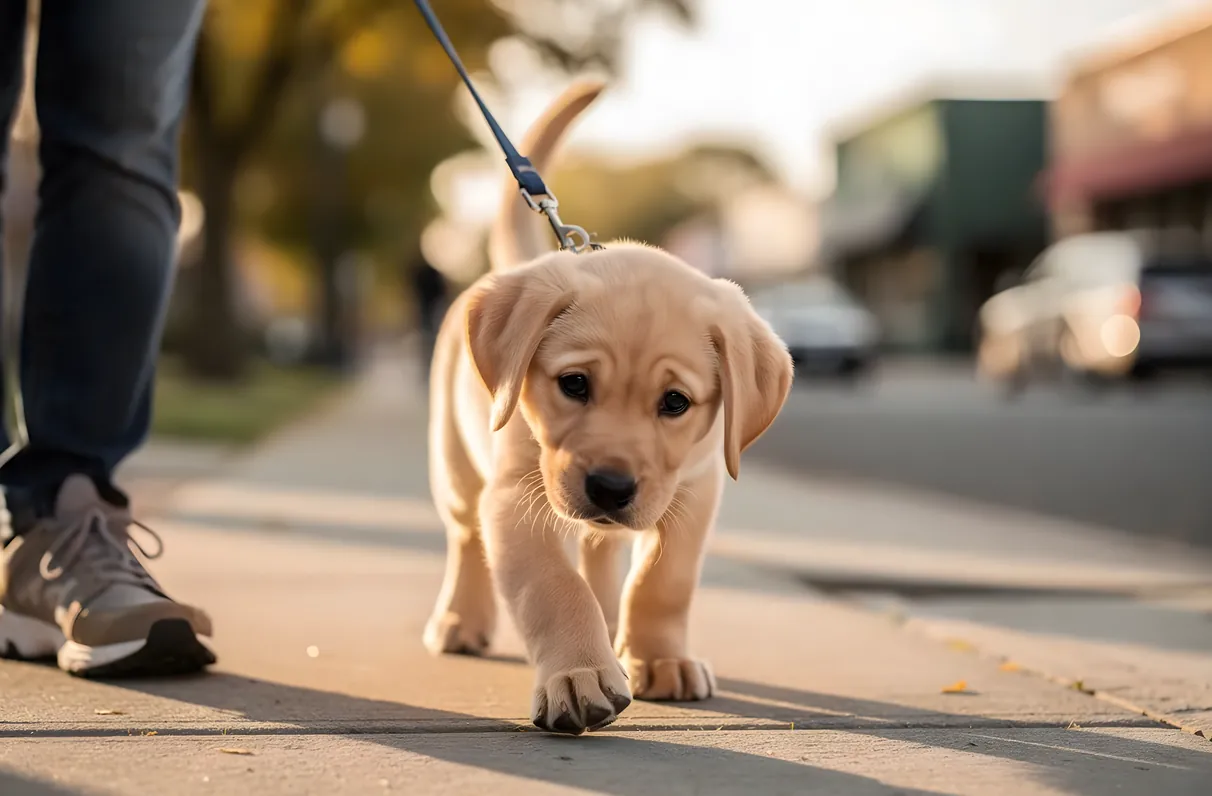
Puppy walking asks for a different approach than walking an adult dog: shorter sessions, careful vaccination timing, and extra attention to socialization. Puppies tire faster than grown dogs, and their joints are still developing, so pace, distance, and supervision all look different. Full protection from a puppy’s vaccination series generally isn’t in place until somewhere in the 12-16 week range, though many vets now recommend some carefully controlled outdoor exposure earlier than that, since waiting too long can mean missing the socialization window that shapes how a dog handles new people, places, and other animals for years afterward. A professional puppy walker plans around both realities: a slower pace, positive leash introduction, and controlled, lower-risk settings. Puppy walking is one of several dog walking services available in Frisco.
How Puppy Walks Are Different From Adult Dog Walks
A puppy walk isn’t a shorter version of an adult walk, it’s a different kind of outing. Puppies tire quickly, often after just a few minutes of activity, and their growth plates are still developing, so too much distance or too fast a pace can strain joints that aren’t finished growing. A good puppy walk moves at a slower pace with more frequent breaks, letting a young dog sniff, rest, and reset instead of pushing through a set route.
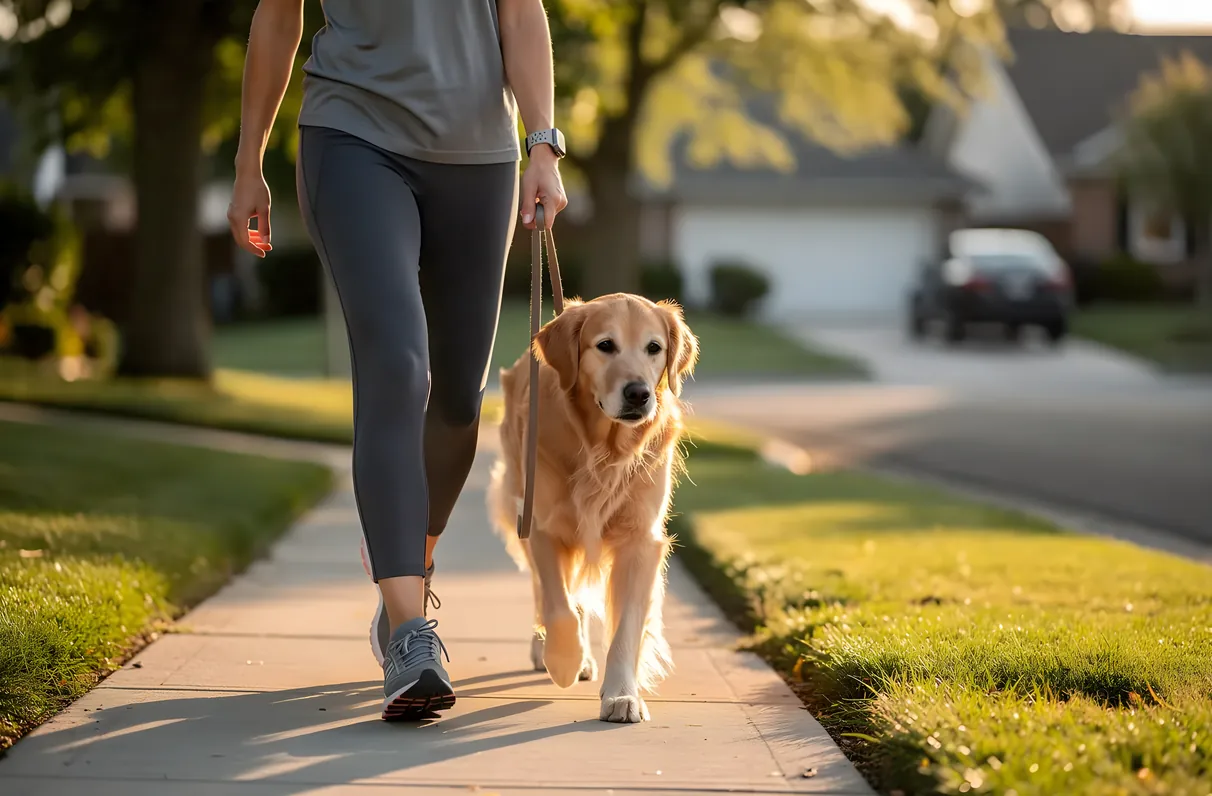
Puppies are also more distractible than adult dogs, more likely to chew the leash, bolt after a squirrel, or react unpredictably to something new, so close supervision matters more here than on a routine outing. Once a puppy grows out of this stage, that same attention continues in a standard solo dog walk, just with a longer route and a faster pace.
When Is It Safe to Start Walking a Puppy Outside?
Puppies build protection through a series of vaccinations, not a single vet visit, and full coverage generally isn’t complete until later in that series.
That doesn’t mean a puppy has to stay housebound until then. Many veterinarians now recommend some carefully controlled outdoor exposure earlier than full vaccination completion: a private yard, time with a friend’s healthy, fully vaccinated dog, and avoiding dog parks or other high-traffic spaces with unknown vaccination status. Waiting until the core vaccines finish their series can mean missing the socialization window covered next.
The most reliable answer isn’t a number found online, it’s a conversation with the puppy’s own veterinarian, who knows its vaccination progress, breed, and local risk factors well enough to guide when outdoor walks make sense.
Walking During the Puppy Socialization Window
The socialization window is a limited early-life stretch, generally described as roughly the first few months, when a puppy forms lasting associations with new people, places, sounds, and other animals. A puppy that meets a reasonable variety of people, sounds, and situations calmly during this window is generally more likely to grow into a confident adult dog than one that stayed home the whole time.
This is why waiting for full vaccination before any outdoor exposure can cost more than it protects. A professional puppy walker balances both concerns at once, choosing controlled, lower-risk settings that still let a puppy experience new sights and sounds safely rather than treating vaccination timing and socialization as an either-or choice.
Introducing a Puppy to the Leash
A puppy has to learn what a leash even is before a walk can be enjoyable for either end of it. Pulling against the leash, freezing in place, or trying to chew through it are normal early reactions, not signs of a stubborn or difficult dog.
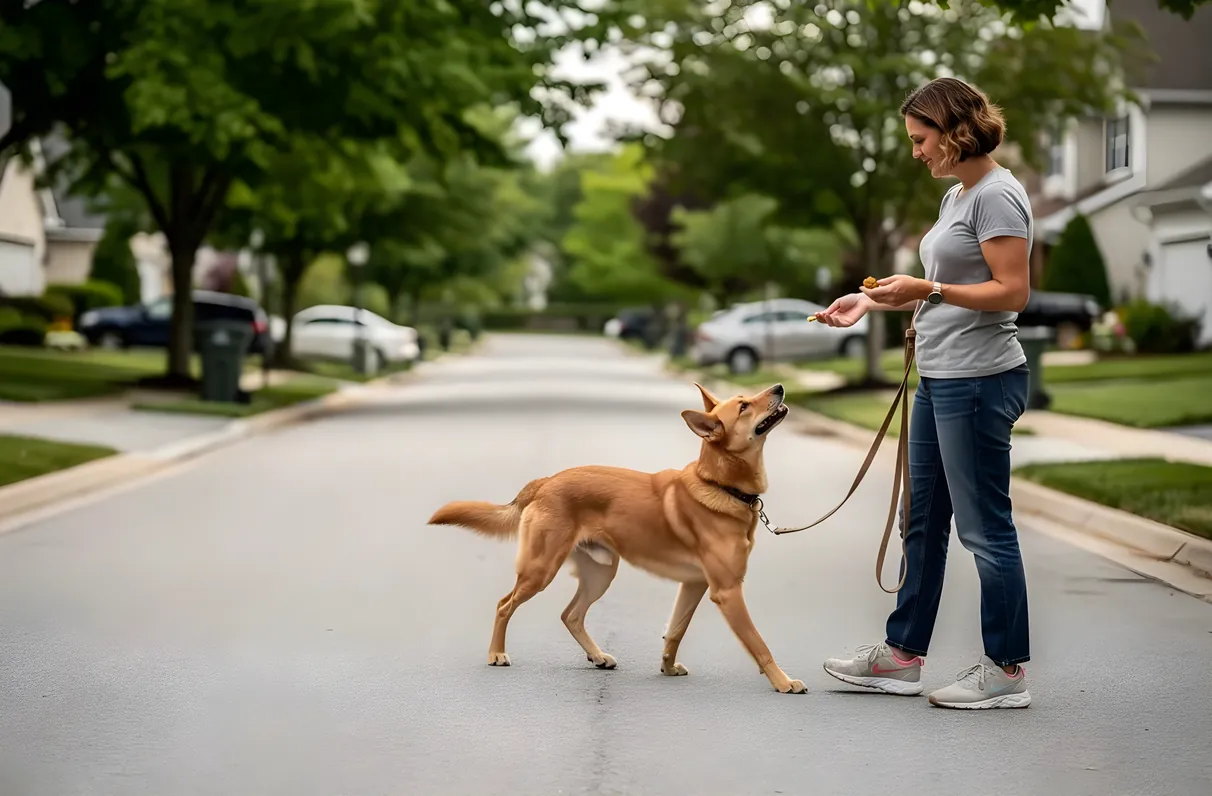
Short, low-pressure indoor practice sessions, rewarded generously, work better than expecting a puppy to already walk politely outside. A professional puppy walker builds that comfort into early sessions. For the full step-by-step approach to loose-leash walking, this site’s leash training tips guide covers technique in more depth than a puppy-specific overview can.
What to Look for in a Professional Puppy Walker
Not every dog walker approaches a puppy the way an adult dog gets walked, and that difference is worth checking for directly. Experience with young dogs specifically matters: patience with leash issues, comfort around the occasional accident, and real awareness of vaccination-stage precautions are a different skill set than simply being good with dogs in general.
A walker worth trusting with a puppy keeps sessions short and age-appropriate rather than running the same walk length for every dog, and stays comfortable talking through a puppy’s vaccination status and vet guidance before planning an outdoor route. Getting the leash basics right early sets up a smoother transition into regular walks once the puppy stage passes.
Puppy Walking Questions Frisco Owners Ask
How many times a day should you walk a puppy?
Short, frequent outings tend to work better than one long walk. Puppies tire quickly, and multiple brief sessions spread through the day generally suit their energy better. Exact frequency depends on age, breed, and energy level, so a vet or professional puppy walker can help set a realistic schedule.
Can an unvaccinated puppy go for walks?
Most vets recommend keeping an unvaccinated or partially vaccinated puppy in lower-risk settings, like a private yard or time with a known, healthy dog, rather than public spaces with unknown vaccination history such as dog parks.
Is a professional dog walker worth it for a puppy?
For owners working full days or unsure how to handle early leash issues and socialization, a professional puppy walker adds structure that benefits a puppy during this formative stage, drawing on experience with young dogs specifically.